Best Privacy Phones (UK 2026) – Secure Picks for People Who Care About Data Protection
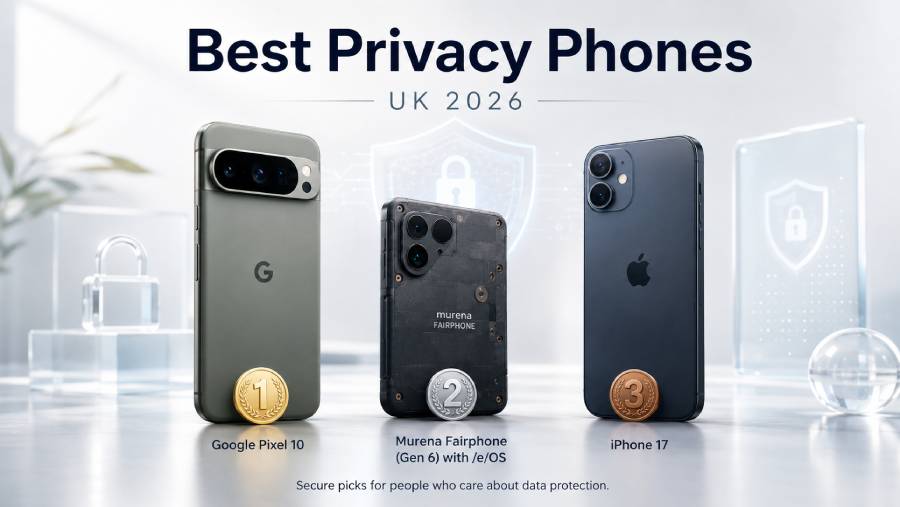
Reviewed for privacy controls, security updates, data protection, app tracking protection & value – updated 2026
🥇 Google Pixel 10 – Best overall privacy phone for advanced users → Check price on Amazon UK
🥈 Murena Fairphone (Gen 6) with /e/OS – Best de-Googled privacy phone → Check price on Amazon UK
🥉 iPhone 17 – Best mainstream privacy phone for everyday users → Check price on Amazon UK
👉 Scroll down to see full reviews and Amazon UK links
Introduction
In 2026, smartphones know more about us than ever before. With built-in AI assistants, ubiquitous online ads and trackers, and apps constantly seeking permissions, phone privacy is a growing concern. This guide is for UK buyers who want better control over personal data – whether you’re a tech-savvy user, a professional handling sensitive information, or simply tired of being tracked. We focus on real-world privacy protections: strong permission controls, long-term security updates, anti-tracking features, and transparent operating systems. Our three picks were chosen for their current relevance and balance of privacy and usability. The Google Pixel 10 offers cutting-edge Android security (and even GrapheneOS support) for advanced users. The Murena Fairphone (Gen 6) with /e/OS is a fully de-Googled, modular phone for privacy purists. The iPhone 17 brings Apple’s robust default privacy tools to mainstream users. All are available new in the UK (with Amazon UK links below), and support long-term use. Read on to see which one best fits your privacy needs.
What Makes a Great Privacy Phone in 2026
Long-term security updates: Privacy phones need years of support. Google promises up to seven years of OS upgrades and security patches for the Pixel 10, and Apple offers similarly long “industry-leading” updates for new iPhones[1]. The Murena Fairphone Gen 6 with /e/OS also promises extended support (up to 8 years). This ensures critical patches against the latest threats.
Permission & tracking controls: Look for fine-grained app controls. Android 16 on the Pixel 10 brings an enhanced Privacy Dashboard with a 7-day log of which apps accessed your camera, mic or location. iOS 26 on the iPhone 17 has Apple’s App Tracking Transparency prompts and Safari’s Intelligent Tracking Prevention. /e/OS on the Fairphone strips out hidden data collection and uses microG to mimic Google services without trackers[2].
Transparency and reduced Google services: A privacy phone may run a stock OS or a modified one. /e/OS (Murena) is “privacy by design” Android with Google telemetry removed. GrapheneOS (for Pixel) is another example of an Android fork that locks down data collection. The iPhone and Pixel both allow alternative app stores or networks, but by default Apple’s ecosystem never uses Google at all.
Secure hardware & encryption: Modern privacy phones use dedicated hardware. The Pixel 10’s Tensor G5 chip includes an isolated security core and pairs with Google’s Titan security chip to lock down device keys. Apple’s iPhone 17 introduces Memory Integrity Enforcement (MIE) at the hardware level, making it “the most secure computing environment on the planet” according to experts[3]. Both phones use full-disk encryption and secure enclaves for biometrics and keys.
Biometric authentication: All three phones support strong biometrics. The iPhone 17 uses Face ID (3D face recognition) and the Pixel 10 offers secure under-screen fingerprint and face unlock. The Fairphone Gen 6 includes a fingerprint reader. These keep your phone locked unless you unlock it.
Ethical design and repairability: The Murena Fairphone Gen 6 stands out for sustainability. It’s made from recycled materials and has a modular, repairable design. The battery is user-removable and it even has a hardware privacy switch to quickly disable the camera or microphone. While this isn’t directly a privacy feature, it means the phone can stay in service for years (avoiding waste) and lets you physically enforce privacy.
Top 3 Privacy Phone Picks (UK 2026)
1. Google Pixel 10 – Best overall privacy phone for advanced users
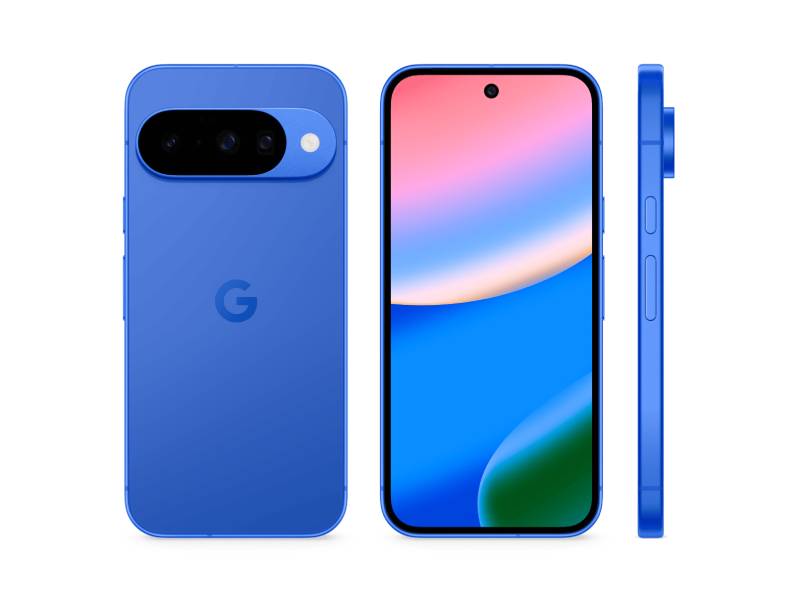
Google’s new Pixel 10 is a flagship Android with privacy and security built in. It runs the latest Android 16 (with Google’s custom Tensor G5 chipset) and benefits from the strongest update policy in the industry. Google has committed to seven years of OS upgrades and security patches for Pixel 10, so you’ll have years of protection. The Tensor G5’s security core and Titan chip keep your data on-device and encrypted. Pixel 10 also has an advanced Privacy Dashboard (now showing 7-day history) so you can see which apps used location, camera or mic[4]. By default it uses Google services, but advanced users can install GrapheneOS (already stable on Pixel 10) to strip out Google completely. In real-world use, this means you can have a pixel phone that still lets you run all Android apps – but with maximum control over permissions. For example, you can force apps to request permissions every time or disable background data easily. Its high-end hardware also means camera and performance are excellent.
Why this pick – The Pixel 10 combines Google’s top-end security tech (hardware and software) with unprecedented update longevity. It’s essentially built to stay secure for years. Advanced users can deepen that security via GrapheneOS. It’s ideal if you want an Android phone that won’t become outdated or vulnerable after 2-3 years.
✅ Pros:
- Guaranteed 7-year updates and quarterly “Pixel Drops” (new features + patches).
- Tensor G5 with on-device AI and Titan security chip for strong hardware encryption.
- GrapheneOS support available for hardcore privacy customization.
⛔ Cons:
- Stock Android is still tied to Google (data sync and Play services by default), which may concern some privacy purists.
Main standout feature: The Pixel 10’s combination of cutting-edge hardware security and long update support. Google’s on-device processing and Titan chip make it hard for attackers to steal your keys, and the seven-year update commitment ensures you keep receiving security fixes and privacy improvements long after purchase.
Who it’s best for: Tech-savvy Android users who want the most secure base possible. If you like the idea of locking down your phone (even to GrapheneOS levels) and want to keep your device safe for many years, the Pixel 10 delivers. It’s well-suited to power users or professionals who handle sensitive data, as well as enthusiasts who simply demand the latest security.
Amazon UK Check: 👉 Check price on Amazon UK – The Pixel 10 is a premium flagship (launched around £800–£850), reflecting its top-tier hardware and security. With its advanced features, it’s worth checking current Amazon UK prices and deals to get the best value and availability.
Check our website: for more details about Google Pixel 10.
2. Murena Fairphone (Gen 6) with /e/OS – Best de-Googled privacy phone
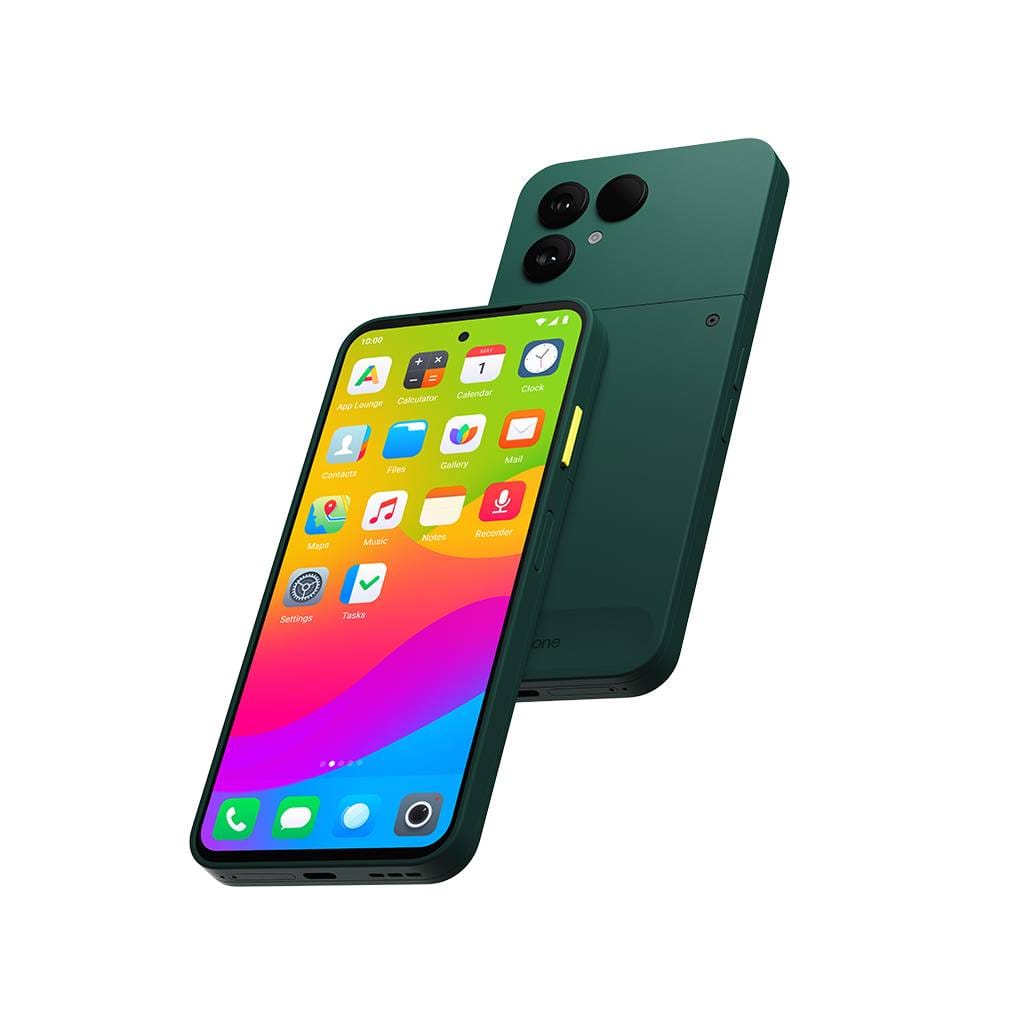
The Fairphone Gen 6 paired with /e/OS is a unique privacy-first Android experience. It’s an officially supported, de-Googled version of Android 15: every bit of Google tracking is removed. You get a stock Android interface but no Google apps or telemetry by default. Instead, it includes open-source apps and a built-in app store, and uses microG to provide just enough Google Play functionality for apps. The Fairphone hardware itself is also designed for longevity. It’s built from recycled materials and has a modular design, meaning you can easily swap out parts (even a removable 4415mAh battery). Notably, Fairphone 6 has a physical privacy switch so you can quickly disable the camera or microphone with one tap. [5]
In daily use, the Murena phone runs most Android apps and even supports mobile banking or maps via the microG layer, though some niche apps that rely on Google Play Services may need tweaks. Privacy tools are built in: /e/OS “removes many pieces of code that send your personal data to remote servers without your consent”. Murena also offers its own cloud backup (1GB of private storage) and e-mail/account. Software support is strong too: Murena aims for up to 8 years of OS updates, matching the Pixel’s longevity. The trade-off is that this phone is less mainstream – it sells mostly via specialist channels – and some apps may not be as polished without Google under the hood. However, for someone dedicated to maximum privacy and ethics, it’s ideal.
Why this pick – This phone is privacy by default. With /e/OS, it is “designed to bring together privacy and sustainability,” keeping “you and your data protected at all times”. You don’t need to hack it or change settings to de-Google the device – it’s built that way. The added benefit is Fairphone’s industry-leading repairability and longevity, so you can keep it much longer without losing security updates.
✅ Pros:
- Fully de-Googled Android OS (/e/OS) – no hidden Google tracking or background data collection.
- Modular Fairphone design: user-replaceable battery, easy repairs and a smaller carbon footprint.
- Long software support (Murena promises up to ~8 years of updates).
⛔ Cons:
- Not as mainstream – availability is limited and some Google-dependent apps may need workarounds (though /e/OS’s microG handles most cases).
Main standout feature: The Fairphone 6’s all-in-one privacy design. From the hardware privacy switch to the de-Googled /e/OS software[6], everything is tuned to minimise tracking. You get standard Android app compatibility but with the assurance that Murena has stripped out background data harvesting. For someone who doesn’t want to fiddle with settings, this is a ready-made privacy phone.
Who it’s best for: Privacy purists and eco-conscious buyers. If you want a phone that is Google-free out of the box and you value repairability/sustainability, this is the pick. It’s great for everyday privacy needs (calls, messages, web browsing) and is especially suited to families or activists who demand both strong data protection and an ethical product.
Amazon UK Check: 👉 Check price on Amazon UK – The Murena Fairphone Gen 6 with /e/OS launched at around €599 (about £550). It’s a niche device often sold through specialist retailers. UK buyers should verify current Amazon UK availability (and seller reputation) for this privacy-focused phone.
3. iPhone 17 – Best mainstream privacy phone for everyday users
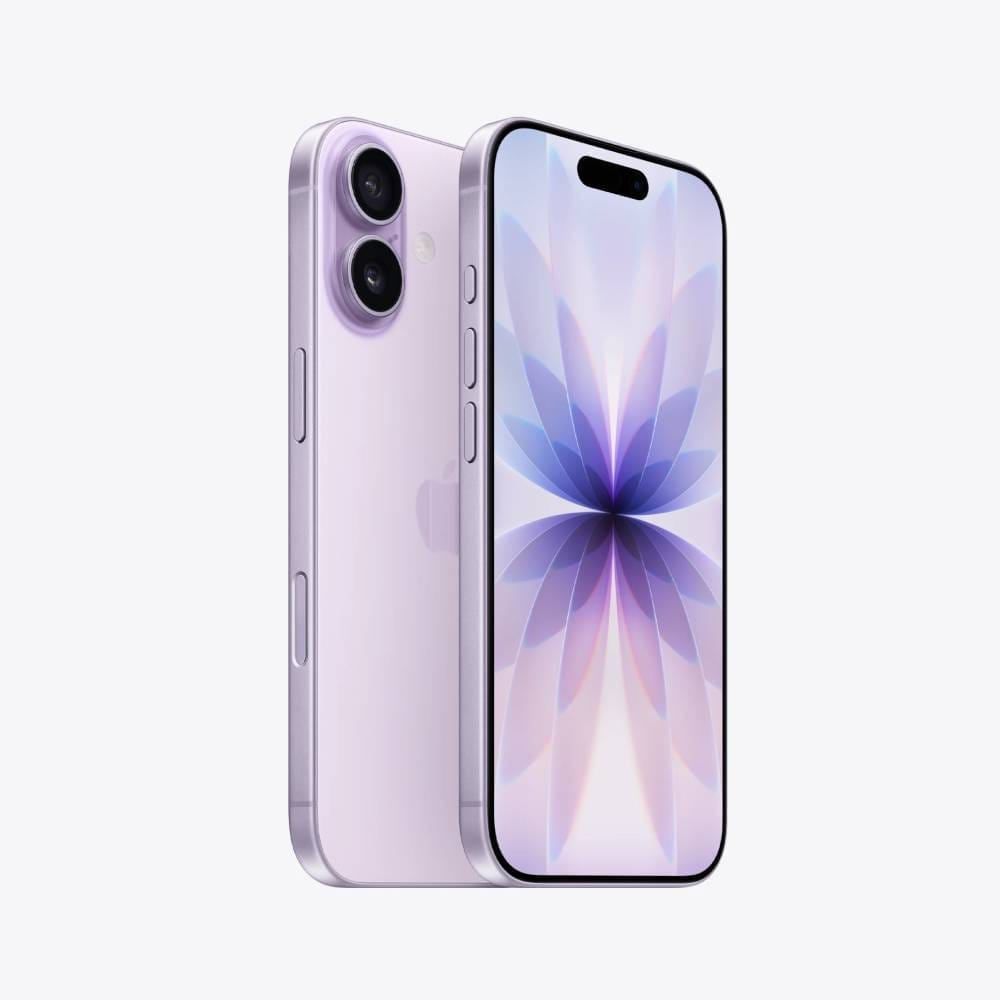
Apple’s iPhone 17 combines powerful security features with a user-friendly interface. It runs iOS 26 and comes with built-in privacy protections. By default, apps must ask permission to track you across the web or other apps (App Tracking Transparency), and Safari blocks known trackers and fingerprinting. Apple also emphasises on-device processing: Siri’s speech recognition and many AI features run offline on the phone, so your voice or text isn’t sent to servers. The new iPhone 17 even introduced a hardware security feature (Memory Integrity Enforcement) to combat spyware – one researcher calls it “the most secure computing environment on the planet”. Under the hood, Face ID and the Secure Enclave encrypt your fingerprint/face data.
iPhones also get long software support; Apple’s own announcement notes “industry-leading software support” for new models. That means iPhone 17 is likely to receive updates for about 6–7 years, keeping it protected for the long haul. In everyday use, an iPhone feels familiar and reliable: camera, browsing, messaging and apps run smoothly, with many privacy settings easily toggled in Settings. For UK users, the iPhone 17 offers peace of mind that comes from Apple’s controlled ecosystem – you won’t have to tweak launchers or install third-party stores to stay private.
Why this pick – The iPhone 17 offers strong privacy by default for regular users. Apple’s approach is to minimise data collection in the first place – “innovative privacy technologies… minimise how much of your data we – or anyone else – can access”. Combined with hardware encryption and new anti-spyware measures, it provides a robust shield against modern threats. For those who want a secure phone without needing to manually harden it, the iPhone is unmatched.
✅ Pros:
- Strict default privacy features: App Tracking Transparency, Safari anti-tracking, on-device data processing (Apple Intelligence).
- Cutting-edge security hardware: Face ID and new memory protection (MIE) make it very difficult for malware and spyware to compromise the phone.
- Long-term iOS updates (Apple’s “industry-leading” update promise).
⛔ Cons:
- Locked into Apple’s ecosystem; fewer user-configurable options and no option to remove core services or install custom OS.
Main standout feature: The seamless integration of Apple’s privacy and security tech. Features like App Tracking Transparency and on-device voice processing, plus hardware-level protections (Secure Enclave, MIE), mean the iPhone 17 keeps your data safe without much effort from you.
Who it’s best for: Everyday users and families who want solid privacy with minimal fuss. If you already use other Apple devices, or just prefer a phone that works out-of-the-box, the iPhone 17 is ideal. It gives you powerful privacy protections (and a great camera), all wrapped in the polished iOS experience that most people find easy to use.
Amazon UK Check: 👉 Check price on Amazon UK – The iPhone 17 starts at roughly £800 in the UK. As a mainstream device, it’s widely available. UK buyers should check current Amazon UK pricing (often there are trade-in or carrier deals) to get the latest offers on this secure phone.
Check our website: for more details about Apple iPhone 17.
Privacy Features Comparison
|
Feature |
Google Pixel 10 |
Murena Fairphone (Gen 6) /e/OS |
iPhone 17 |
|
Operating System |
Android 16 (Google Tensor G5) |
/e/OS (de-Googled Android 15) |
iOS 26 |
|
Privacy approach |
Standard Android with privacy dashboard; optional GrapheneOS |
Fully de-Googled Android (no Google services) |
Apple privacy-first model (App Tracking Transparency) |
|
Security updates |
Up to 7 years of OS and security patches |
At least 8 years of /e/OS updates |
~6+ years of iOS updates (industry-leading) |
|
App tracking protection |
Android Privacy Dashboard, one-time permissions |
No built-in Google tracking; privacy settings in /e/OS |
App Tracking Transparency, Safari anti-tracking |
|
Google services |
Heavy (Google Cloud backup, Play store) |
None by default (uses microG and open apps) |
None (Apple services only) |
|
Ease of use |
Familiar Android UI; Google integration; advanced features require
some setup |
More technical: uses alternative app store; some setup needed for
non-Google apps |
Very user-friendly; polished iOS interface |
|
Advanced privacy potential |
High (supports GrapheneOS, custom ROMs) |
High (privacy by design, locked-down OS) |
Moderate (strong defaults, but no customization) |
|
Repairability / sustainability |
Moderate (typical smartphone) |
High (modular Fairphone design, repairable) |
Low (Apple devices are not self-repair friendly) |
|
Biometric security |
Fingerprint + Face Unlock (Android-class) |
Fingerprint reader |
Face ID (3D facial recognition) |
|
Best privacy strength |
Strong Android platform security + optional Graphene |
Out-of-the-box privacy (no Google data collection) |
Strong default protections and hardware security |
|
Best for |
Android power users and privacy hackers |
Privacy purists and eco-friendly buyers |
General consumers wanting simple privacy |
|
Typical UK buyer |
Tech-savvy Android enthusiasts |
Open-source/privacy advocates, sustainable tech fans |
Mainstream iPhone users and families |
Google Pixel 10 → Check Price on Amazon UK
Murena Fairphone (Gen. 6) with /e/OS → Check Price on Amazon UK
iPhone 17 → Check Price on Amazon UK
What to Consider Before Buying a Privacy Phone
Privacy vs convenience: More locked-down devices often mean more manual setup. A fully de-Googled phone or custom OS will limit data collection, but you may lose some conveniences (e.g. easy Google login, seamless backups or voice assistant features). Decide how much effort you’re willing to spend to regain privacy.
Android vs iPhone: Android (Pixel/Fairphone) offers granular control (permissions and the option of custom OS) but can be complex. iPhone is simpler: Apple handles most privacy decisions for you. Both have strong security, but Android lets advanced users tweak more settings, whereas Apple provides robust defaults.
De-Googled phone limitations: A de-Googled device (like Murena’s) may not support some Google-dependent apps out-of-the-box. Essential apps like banking, navigation or fitness trackers may need workarounds or alternative versions. /e/OS includes its own app store and microG to ease compatibility, but always check that the apps you rely on will work.
Security update duration: Ensure your phone will be updated for many years. The Pixel 10 is guaranteed 7 years, iPhone 17 gets around 6–7 years, and the Fairphone Gen 6 is promised roughly 5–8 years. Longer support means your device won’t become a security risk after a couple of years.
Technical skill level: Installing a custom OS like GrapheneOS (on Pixel) or tweaking /e/OS can be challenging. These setups require unlocking bootloaders and some tech know-how. If you’re not comfortable with that, you may prefer the default experiences (stock Pixel OS or iPhone) which already have strong privacy features.
App permissions and tracking: Whatever phone you choose, get into the habit of reviewing app permissions. Both Android and iOS let you deny apps access to location, camera, microphone, etc. Use privacy dashboards or settings to periodically check what data your apps are using.
Cloud backups and location: Privacy-minded users may disable cloud backups or location history. Apple’s iCloud and Google Backup can store data off-device (with encryption), which is convenient but less private. Murena offers its own 1GB private cloud storage. Think about whether you prefer local backups or a trusted cloud with end-to-end encryption.
Banking and app compatibility: On Android-based picks, especially the de-Googled Fairphone, some banking and payment apps might not install without Google Play Services. In many cases they work fine on /e/OS (via microG), but double-check. Apple’s platform generally supports all major banking apps.
Warranty and support: The Murena Fairphone offers an extended warranty (up to 5 years). Apple and Google phones have official support and large service networks in the UK. Also consider Amazon UK purchases: buy from trusted sellers, check return policies and UK network compatibility (all three are unlocked GSM phones).
UK availability: All the above phones are available new to UK buyers. The Pixel 10 and iPhone 17 are sold by major retailers and carriers. The Murena Fairphone is often sold via Murena’s store, but check Amazon UK for any listings. Prices can fluctuate, so compare Amazon UK deals and shipping times when you decide.
Frequently Asked Questions
What is a privacy phone?
A privacy phone is designed to limit data collection and tracking. It might have extra security features (like hardware encryption), stricter permission controls, or even run a modified OS that removes built-in trackers. In simple terms, it’s a phone set up to share as little of your personal info as possible.
Is a de-Googled phone better for privacy?
Often, yes. De-Googled phones (like those running /e/OS or GrapheneOS) skip Google’s data-gathering services entirely. This greatly reduces background tracking. However, you may sacrifice some convenience: some apps (especially those needing Google Play Services) might need extra steps to work. It’s a trade-off between raw privacy and ease of use.
Is iPhone or Android better for privacy?
Both can be very private in 2026, but they take different approaches. iPhones lock down privacy by default – features like App Tracking Transparency are enforced across all apps. Android phones (like Pixel) give you more user control (you can adjust many settings or even install custom ROMs), but require more tinkering. In practice, choose the platform you find easier. iPhone 17 is great if you want a secure phone without fiddling; Pixel 10 or Murena phones are better if you want to customise every detail.
Can I still use normal apps on a privacy phone?
Yes. All three picks can run mainstream apps. The Pixel 10 uses Google’s Play Store, so everything works as usual. The iPhone 17 uses Apple’s App Store. The Fairphone with /e/OS can run most Android apps via its built-in app store and microG layer. In rare cases (some games or payment apps), you might need to use workarounds, but for most everyday apps these phones have you covered.
Final Verdict
- Google Pixel 10 is the best choice for advanced users who want strong Android security, long-term updates and privacy-focused customisation potential → Check price on Amazon UK
- Murena Fairphone (Gen 6) with /e/OS is the best de-Googled option for buyers who want reduced tracking and a privacy-first experience out of the box → Check price on Amazon UK
- iPhone 17 is the best mainstream privacy phone for everyday users who want strong security, long-term updates and simple privacy controls without technical setup → Check price on Amazon UK
We update our comparisons regularly to keep everything accurate, up to date, and UK-focused.