Best Phones for Astrophotography (UK 2026) – Capture Stars, the Moon & Night Skies Without a Dedicated Camera
The Galaxy S26 Ultra is the best all-rounder, the Xperia 1 VII gives photographers greater RAW and manual control, and the HONOR Magic8 Pro specialises in low-light telephoto shots. Here is how to choose the right phone for stars, the Moon and night landscapes.
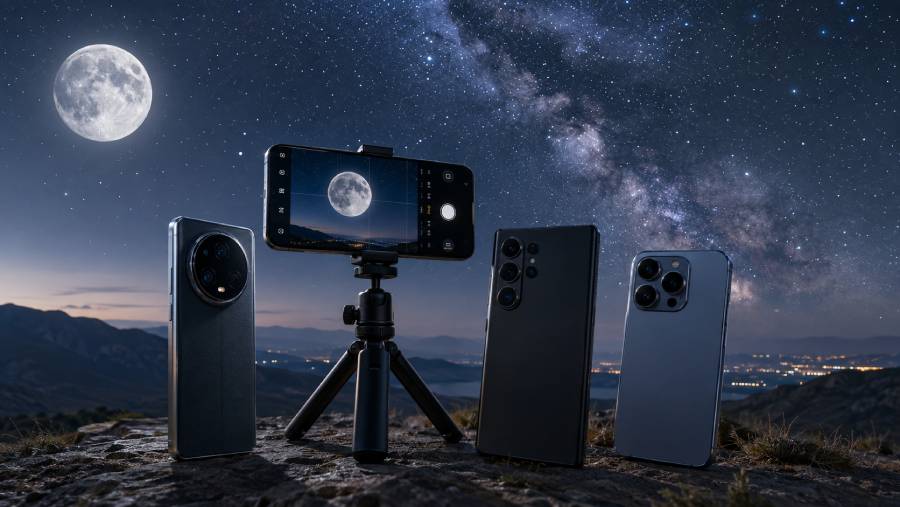
The key difference is camera role: the Samsung Galaxy S26 Ultra balances a bright wide camera with two optical telephotos, the Sony Xperia 1 VII prioritises RAW files and photographer-led controls, and the HONOR Magic8 Pro concentrates its headline resolution on a low-light telephoto camera.
We assessed verified UK camera specifications, manual controls, low-light capabilities, independent reviewer findings and ownership trade-offs; this guide is updated for 2026.
🥇 Samsung Galaxy S26 Ultra — Best overall for astrophotography and long-range moon shots — Check price on Amazon UK
🥈 Sony Xperia 1 VII — Best for manual controls, RAW files and enthusiast photographers — Check price on Amazon UK
🥉 HONOR Magic8 Pro — Best for low-light telephoto and moon detail — Check price on Amazon UK
👉 Continue to the full reviews to see which camera system best matches the subjects you actually want to photograph.
What makes the best phones for astrophotography UK 2026?
A large megapixel number is not enough to identify the best camera phones for night-sky photography. First decide whether your priority is a broad star field or a magnified subject such as the Moon.
- Wide camera versus telephoto: a bright wide camera suits constellations, aurora displays and landscapes containing both sky and foreground. A genuine optical telephoto is more useful when you want the Moon or a distant illuminated building to occupy more of the frame.
- Light gathering and stability: a wider aperture admits more light in principle, while optical stabilisation can help reduce movement. Neither replaces a secure support during a long exposure, nor can it remove cloud, haze or light pollution.
- RAW and manual control: adjustable shutter speed, ISO, white balance and focus let an experienced photographer respond to the scene. RAW or DNG files also provide more editing flexibility than a finished JPEG, but take more storage and work.
- Computational processing: automated night modes can brighten a scene and produce a shareable result quickly. Buyers who prefer restrained processing may instead want control over capture and editing.
- Performance across lenses: one strong camera does not guarantee equally good results from every focal length. Check which lens carries the headline resolution and whether independent reporting identifies low-light inconsistencies.
- Practical accessories: a compact tripod or firm support, secure phone clamp and delayed shutter are inexpensive but important additions. NASA recommends steadiness, locked focus, a suitable exposure and processing for worthwhile smartphone astrophotography. [9]
These phones can be convenient night-sky cameras, but they should not be treated as replacements for a telescope, tracking mount or dedicated interchangeable-lens system.
Introduction
This guide is for UK buyers who want to photograph stars, constellations, the Moon, illuminated skylines and night landscapes without carrying a separate camera. The criteria above matter because these subjects place different demands on a phone. A wide lens may capture an attractive sweep of sky but leave the Moon looking small; a long telephoto can enlarge the Moon while showing only a narrow portion of the scene.
The shortlist therefore covers three distinct approaches rather than ranking phones by megapixels alone. Samsung offers the broadest mix of wide and telephoto hardware, Sony provides the clearest enthusiast-oriented RAW workflow, and HONOR makes low-light telephoto photography its defining attraction. The recommendations combine official UK specifications with practical interpretation and relevant findings from established editorial reviews; ChoiceWise has not claimed first-hand testing.
Results still depend heavily on location and technique. Darker skies, clear weather, steady support, locked or carefully set focus and a delayed shutter can matter as much as changing phones. The Moon is a relatively approachable smartphone target, but detailed deep-sky photography demands more specialist equipment and expertise. [9]
Top 3 products worth buying – UK 2026
1. Samsung Galaxy S26 Ultra — Best overall for astrophotography and long-range moon shots
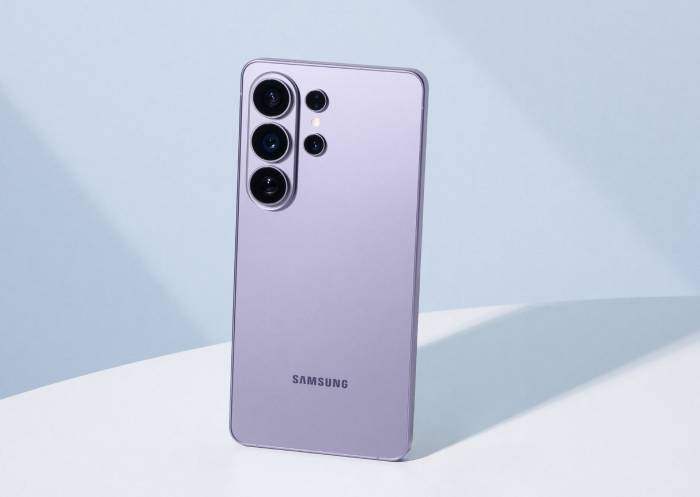
The most balanced choice for buyers who want both expansive night scenes and flexible optical reach.
The Galaxy S26 Ultra earns the top position because its verified camera arrangement does not force you to choose between wide-field smartphone astrophotography and a larger view of the Moon. Samsung specifies a 200MP f/1.4 wide camera, a 50MP f/1.9 ultra-wide, a 10MP f/2.4 3x telephoto and a 50MP f/2.9 5x telephoto. The latter also provides what Samsung calls 10x optical-quality zoom, although that should not be confused with an additional 10x optical lens. [1]
That range has a practical benefit. Use the main camera when you want stars above a landscape, then move to the 3x or 5x camera for the Moon, a lit skyline or another distant night subject. The 200MP figure belongs to the wide camera here, not the telephoto, so its significance is different from the Magic8 Pro's 200MP zoom camera. Very high digital magnification should still be judged critically: the substantiated optical focal lengths are 3x and 5x, and processed zoom is not equivalent to telescope detail.
Samsung says the wide aperture is 47% brighter and the 5x telephoto aperture is 37% brighter than on the previous model. Those are manufacturer comparisons rather than independent rankings, and actual results depend on the scene, support and lighting. [1][2] Even so, Expert Reviews found the phone's night brightening effective without filling extensive dark areas, including the sky, with conspicuous visual noise. It also described the colour as punchy without becoming excessively oversaturated. That is encouraging for buyers who want an attractive result straight from the phone, although it was not a controlled astrophotography benchmark. [11]
The more important enthusiast feature is Expert RAW. Samsung confirms support for 16-bit RAW capture and manual control over ISO, shutter speed, exposure, focus, white balance and camera selection. [3] This gives you room to steady the phone, choose settings deliberately and edit a DNG afterwards. A dedicated S26 Ultra Astrophoto mode is not confirmed by the current product material used for this guide, so the recommendation rests on verified Expert RAW controls rather than an assumed automated astro feature.
✅ Pros
- Bright 200MP f/1.4 main camera for wide night scenes.
- Separate 3x and 5x optical telephotos provide useful framing flexibility.
- Expert RAW combines 16-bit files with detailed manual camera controls.
⛔ Cons
- It is a large, premium-priced flagship if night photography will only be an occasional hobby.
Main standout feature: the strongest combination of wide-camera light gathering, genuine telephoto choice and verified RAW control in this shortlist. It is the one model that can move most naturally between a star-filled landscape and a tightly framed distant subject without committing to a specialist-only workflow.
Who it is best for: choose the S26 Ultra if you want good automated night processing but also expect to learn manual exposure and RAW editing. Avoid paying the premium if you only want occasional handheld night snapshots or if a compact phone is more important than camera flexibility.
For a concise specification overview, see the ChoiceWise Galaxy S26 Ultra product page [10].
2. Sony Xperia 1 VII — Best for manual controls, RAW files and enthusiast photographers
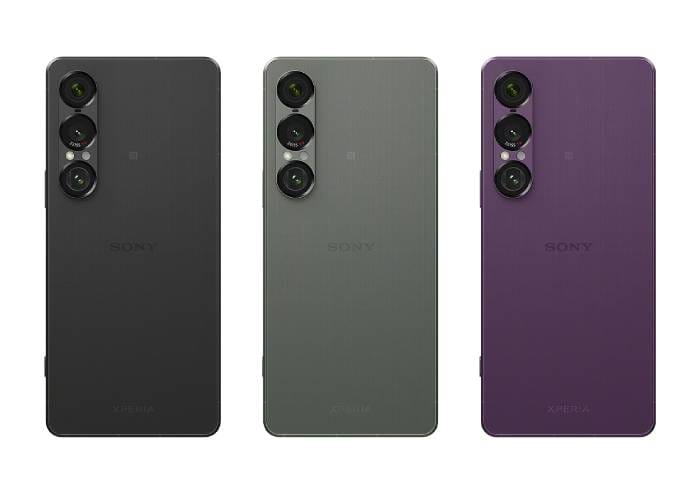
The specialist option for photographers who prefer deliberate settings and editable files to an entirely automatic night-mode workflow.
The Xperia 1 VII is not the easiest recommendation here, but it is the most naturally aligned with an experienced photographer's habits. Sony specifies JPEG and RAW DNG capture, Pro Photo controls and a dedicated night-shooting function. Its help guide also documents RAW & JPEG capture and focus peaking, which highlights in-focus areas and can make manual focusing less uncertain in a dark scene. Sony describes its RAW files as receiving no digital processing, leaving the photographer to shape the finished result. [4][5]
The rear system includes a 48MP-effective 24mm f/1.9 main camera, a 48MP-effective 16mm f/2.0 ultra-wide with a 1/1.56-inch sensor, and a 12MP variable telephoto covering 85–170mm at f/2.3–f/3.5. [4] The 16mm camera is the obvious creative tool for including a substantial sweep of sky and foreground. Sony says its sensor is approximately 2.1 times larger than the preceding model's ultra-wide sensor and positions that change as beneficial for lower-noise night pictures. This is a manufacturer comparison, not proof that the lens outperforms every rival after dark. [6]
The 85–170mm optical range gives you more framing control than a fixed telephoto when photographing the Moon or distant details. There is an important optical trade-off, however: the aperture changes from f/2.3 at 85mm to f/3.5 at 170mm, so the longest setting admits less light on specification alone. A tripod or firm support becomes particularly valuable when working at the long end in a dark environment.
Independent findings reinforce the need for realistic expectations. TechRadar considered night pictures from the main camera good and comparatively natural-looking, but found that the ultra-wide lagged behind it after dark. The review also reported poor detail at the furthest reaches of the zoom. [12] In other words, buy the Xperia for its process and controls rather than assuming every lens will deliver equally strong low-light output.
Ownership also favours photographers who manage files themselves. Sony lists 256GB of internal storage and microSDXC expansion up to 2TB, subject to choosing and verifying the correct UK configuration. [4] Expandable storage is useful if you retain large RAW files locally, although it does not remove the need for organised backups and editing software.
✅ Pros
- Pro Photo, RAW DNG capture and focus peaking support a deliberate workflow.
- Variable 85–170mm optical telephoto provides flexible manual composition.
- microSDXC expansion is useful for retaining substantial RAW libraries.
⛔ Cons
- Low-light performance is less consistent across its lenses, particularly at the ultra-wide and longest telephoto settings.
Main standout feature: Sony gives the user unusually direct ownership of capture, focusing and processing. RAW & JPEG recording also provides a practical safety net: retain a ready-made image while keeping the DNG for more considered editing later.
Who it is best for: choose the Xperia if you understand shutter speed, ISO, focus and RAW development—or actively want to learn. Buyers seeking the most effortless point-and-shoot night result may find Samsung's more computationally assisted all-round approach easier.
3. HONOR Magic8 Pro — Best for low-light telephoto and moon detail
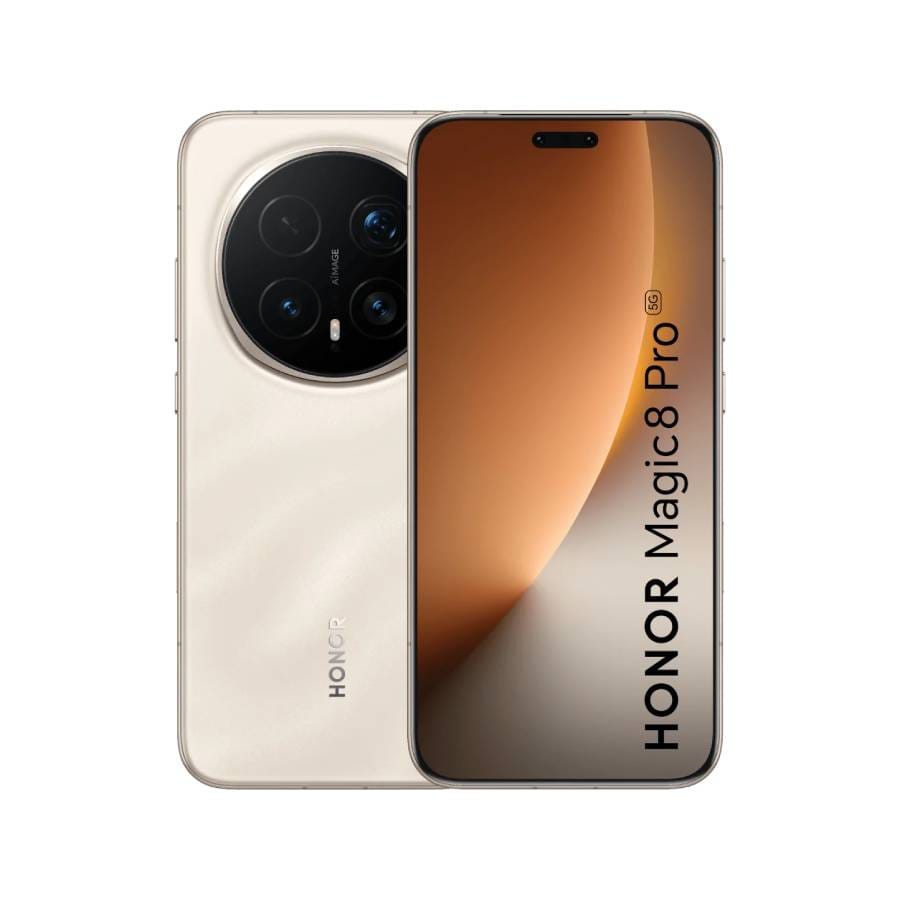
The telephoto-led pick for buyers who care more about the Moon and distant illuminated subjects than a dedicated RAW-led star-field workflow.
The HONOR Magic8 Pro's defining camera is its 200MP Ultra Night Telephoto. HONOR specifies a 1/1.4-inch sensor, f/2.6 aperture, 3.7x optical zoom and stabilisation designed around low-light telephoto use. [7] This makes it the most directly moon-focused specification in the shortlist. The narrow field of view is also relevant to skylines, architectural details and distant stage subjects after dark.
It is important to identify where that 200MP figure applies. Unlike the Galaxy S26 Ultra, whose 200MP camera is the wide unit, the Magic8 Pro concentrates that resolution on its telephoto. It can therefore frame a distant subject more tightly, but it is not automatically the better choice for a broad composition containing stars and landscape. Its wide night-sky work instead falls to the 50MP f/1.6 main camera with optical stabilisation. A 50MP f/2.0 ultra-wide with a 122-degree field of view completes the verified rear-camera specification. [7]
HONOR also describes an Ultra Night Engine with a customised exposure timer and AI cloud enhancement. This is likely to appeal to buyers who want the phone to do more of the processing, but it matters if your preference is a restrained or documentary-looking Moon image. Computational enhancement is part of the stated workflow rather than something buyers should assume is absent. HONOR's notes also say image definition varies by mode and that the maximum stated resolution requires High-Res mode. A 200MP specification should not therefore be interpreted as meaning every ordinary zoom photograph is saved at full 200MP definition. [7]
Digital Camera World praised the telephoto camera and the phone's stabilisation, supporting its position as a stills-led long-range option. The review was less positive about video consistency and considered low-light video weaker than expected from a flagship. [13] Buyers who split their time evenly between night photography and night video may therefore find Samsung's broader all-round proposition more suitable.
For longer evenings away from a socket, HONOR lists a 6,270mAh typical battery, 100W wired charging and 80W wireless charging. The corresponding chargers are sold separately, and real charging power varies by scenario. [7] These are useful ownership specifications, but they should not distract from the central purchasing decision: this is the phone to choose chiefly for its optical telephoto hardware.
✅ Pros
- 200MP 3.7x optical telephoto is purposefully specified for distant low-light subjects.
- Bright f/1.6 main camera broadens its usefulness beyond telephoto photography.
- Large stated battery capacity suits longer evening shooting sessions.
⛔ Cons
- Its computational processing and less consistent night video make it a less natural choice for purists or hybrid photo-and-video buyers.
Main standout feature: the combination of high telephoto resolution, a large stated telephoto sensor, optical reach and stabilisation makes the Magic8 Pro the most specialised low-light zoom option here. Stabilisation ratings have differed between HONOR materials, so this guide does not base the verdict on a permanent numerical CIPA claim. [7][8]
Who it is best for: choose the Magic8 Pro if your gallery will contain more Moon, skyline and distant night-subject pictures than sweeping star fields. Buyers who want extensive verified RAW controls should favour Sony or Samsung, while regular video creators should consider the reported consistency limitation carefully.
Comparison table: best phones for astrophotography UK 2026
| Best for | Exact model | Key specifications | Key strength | Main limitation | Typical UK buyer |
|---|---|---|---|---|---|
| Astrophotography and long-range moon shots overall | Samsung Galaxy S26 Ultra | 200MP f/1.4 wide; 3x and 5x optical telephotos; Expert RAW with 16-bit capture | Most balanced mix of wide, telephoto and manual capability | Large, premium-priced phone; extreme digital zoom is not optical detail | Wants attractive automatic results plus room to learn RAW editing |
| Manual controls, RAW files and enthusiast photography | Sony Xperia 1 VII | 48MP 24mm main; 48MP 16mm ultra-wide; 85–170mm variable telephoto; DNG RAW and focus peaking | Most photographer-led capture and file-management workflow | Low-light quality is uneven between lenses, especially at the longest zoom | Understands exposure or wants to develop hands-on photographic skills |
| Low-light telephoto and moon detail | HONOR Magic8 Pro | 200MP f/2.6 3.7x optical telephoto; 50MP f/1.6 main; stabilisation and computational night processing | Most specialised hardware for tightly framed distant night subjects | Processing is prominent, while low-light video has reported consistency weaknesses | Prioritises the Moon, skylines and distant illuminated subjects |
Samsung Galaxy S26 Ultra: 👉 Check price on Amazon UK
Sony Xperia 1 VII: 👉 Check price on Amazon UK
HONOR Magic8 Pro: 👉 Check price on Amazon UK
What to consider before buying
- Start with the subject: choose a bright wide camera for stars, aurora displays and night landscapes. Prioritise optical telephoto hardware if you mainly want a larger Moon or distant illuminated details.
- Budget for support: a secure phone clamp, compact tripod and delayed shutter can improve results more reliably than chasing extreme digital zoom. Even optical stabilisation cannot fully compensate for movement during a long exposure. [9]
- Decide how much editing you want: Samsung and Sony offer the clearest verified RAW-led routes in this shortlist. RAW files provide more flexibility, but require storage, backups and editing time.
- Account for local conditions: cloud, haze and urban light pollution can limit star visibility regardless of camera specification. If possible, plan shoots away from bright street lighting and use a safe, stable location.
- Assess the whole phone: the Galaxy is the broadest all-rounder, the Xperia rewards manual involvement, and HONOR prioritises telephoto stills. Paying for specialist camera hardware only represents value if it matches your regular subjects.
- Check the exact listing: storage, colour and regional configuration can vary. Confirm that the live Amazon result is the intended UK model and check the seller, condition, fulfilment, UK warranty and returns terms before paying.
The supplied Amazon buttons are selected search routes, not guarantees of stock, seller identity, fulfilment, warranty or price. Compare the current result with the manufacturer's UK specification page before ordering, particularly when a third-party marketplace seller is involved.
Frequently asked questions
Which is the best phone for astrophotography in the UK from this shortlist?
The Samsung Galaxy S26 Ultra is the best overall choice. Its 200MP f/1.4 wide camera is suited to broad night scenes, while separate 3x and 5x optical telephotos provide more useful Moon and skyline framing. Expert RAW adds verified manual settings and 16-bit files for buyers who want to edit. [1][3]
Which phone is best for photographing the Moon?
The HONOR Magic8 Pro has the most moon-focused specification: a 200MP, 3.7x optical, f/2.6 telephoto with a stated 1/1.4-inch sensor and stabilisation. The Galaxy S26 Ultra is the more versatile alternative because it combines two optical telephotos with a stronger wide-camera and manual-RAW proposition. Neither should be treated as telescope-equivalent. [1][7][9]
Do I need a tripod for smartphone astrophotography?
A tripod is strongly recommended for stars. A firm improvised support can also work, provided the phone is secure. Use a timer to avoid movement from touching the shutter, and set or lock focus carefully. NASA identifies steadiness, focus, exposure and processing as important parts of smartphone astrophotography. [9]
Is 200MP more important than RAW or a bright aperture?
No. First identify which lens has the 200MP sensor. Samsung places it on the wide camera, while HONOR places it on the 3.7x telephoto, so the two specifications serve different compositions. Aperture, optical reach, stability and processing all affect the result. RAW matters when you want to control exposure and edit the file rather than accept only the phone's finished processing. [1][3][4][7]
Final verdict
The central trade-off is between Samsung's balanced wide-and-telephoto system, Sony's photographer-led RAW workflow and HONOR's specialised high-resolution telephoto camera.
- Samsung Galaxy S26 Ultra: best overall for astrophotography and long-range moon shots — 👉 Check price on Amazon UK
- Sony Xperia 1 VII: best for manual controls, RAW files and enthusiast photographers — 👉 Check price on Amazon UK
- HONOR Magic8 Pro: best for low-light telephoto and moon detail — 👉 Check price on Amazon UK
For most UK buyers wanting one phone for stars, landscapes and the Moon, the Galaxy S26 Ultra is the safest all-round recommendation. Choose Sony when creative control matters more than automation, or HONOR when distant night subjects dominate your plans. Whichever you buy, reserve part of the budget for stable support.
By ChoiceWise