Top Snapdragon 8 Elite Phones (UK 2026) – Fastest Android Flagships That Crush Everything
The fastest Android chip around — our top Snapdragon 8 Elite phone picks for gaming, multitasking and sustained performance.
Last updated: 2 August 2026.
Reviewed for speed, sustained performance & value – updated April 2026
- 🥇 OnePlus 15 – Best overall Snapdragon 8 Elite performance → Check price on Amazon UK
- 🥈 Honor Magic 8 Pro – Best premium flagship for Snapdragon 8 Elite → Check price on Amazon UK
- 🥉 XIAOMI POCO F8 Ultra – Best value phone with Snapdragon 8 Elite → Check price on Amazon UK
👉 Scroll down to see full reviews and Amazon UK links
This guide is for UK buyers who demand the absolute fastest Android phones in 2026 – whether for high-end gaming, heavy multitasking or advanced content creation. All our picks use Qualcomm’s new Snapdragon 8 Elite Gen 5 chip, the current top-of-the-line SoC. In real life, however, raw benchmark scores aren’t enough. Thermal design, sustained performance and fast subsystems matter just as much. A great phone needs large LPDDR5X RAM (often “Ultra+” 12–16GB) and UFS4.x storage for instant load times It needs advanced cooling so it doesn’t throttle under long gaming sessions – for example, the OnePlus 15 has a 5,731 mm² vapor chamber, and the POCO F8 Ultra uses a 6,700 mm² dual-channel IceLoop system[1]. High-refresh OLED screens (120–165 Hz) with very low touch latency keep gaming smooth. Finally, a big battery (6,500–7,300 mAh) and ~100–120W fast charging ensure all-day use. We only chose 2025/2026 releases (no 2024 or older models) with Snapdragon 8 Elite and UK availability. Each phone below was vetted for real-world speed, sustained gaming, cooling and value in the UK market.
What Makes a Great Snapdragon 8 Elite Phone in 2026
Blistering real-world speed: Snapdragon 8 Elite Gen5 delivers top-tier CPU/GPU performance. In benchmarks and gaming tests (Zenless, Tomb Raider, etc.), these phones hit a rock-solid 60 fps at max settings. The OnePlus 15 and Honor 8 Pro breeze through multitasking, and all have LPDDR5X RAM with UFS4.x storage for instant app loads[2].
Sustained gaming & thermals: Maximum FPS can slip under prolonged load if the phone overheats. Big vapor chambers, graphite layers and heat pipes (e.g. OnePlus 15’s 5,731 mm² chamber, POCO’s 6,700 mm² IceLoop VC) keep throttling in check. Even under stress, our picks maintain a high percentage of peak speed (OnePlus 15 sustains ~60% after 60 min of heavy load). In practice they stay warm but never painfully hot.
Plenty of RAM & fast storage: Each phone has 12–16 GB of LPDDR5X (often Ultra+ 9600 Mbps) and 256–512 GB UFS4.x. For example, Honor’s UK model is 12 GB/512 GB with LPDDR5X+UFS4.1, and OnePlus 15’s 16 GB version uses LPDDR5X Ultra+. This means huge apps and multiple games stay ready in memory, and load times are effectively zero.
High-refresh, low-latency display: Flagship games benefit from high frame rates. The OnePlus 15 sports a 6.78″ 1.5K LTPO OLED at up to 165 Hz (with an industry-leading 3200 Hz touch chip), Honor 8 Pro has a 6.7″ OLED at 120 Hz (topping out at 6,000 nits peak), and POCO F8 Ultra offers a 6.9″ HyperRGB AMOLED (~2K clarity) at 120 Hz (up to 3500 nits in sunlight). All ensure silky-smooth motion and responsive controls.
Big battery & fast charging: Heavy use requires long life. These phones pack 6,200–7,300 mAh: OnePlus 15 has a huge 7,300 mAh Silicon NanoStack battery, Honor 8 Pro’s UK version is 6,270 mAh (international 7,100 mAh), and POCO is 6,500 mAh. Crucially they match that with fast charging (OnePlus 120W, Honor 100W wired, POCO 100W wired) to juice up quickly. For example, OnePlus 15 can reach ~78% in 30 min[3].
Software & AI features: All run the latest Android builds (OxygenOS16, MagicOS10) with extra AI tools. Honor now promises 7 years of OS/security updates (on par with Samsung/Google). Integrated AI assistants (Google Gemini, brand-specific widgets) and gaming modes further boost real-world performance and usability.
Why Snapdragon 8 Elite matters: Qualcomm’s new Gen5 chip is the fastest mobile SoC available. It handles anything today (4K/120fps recording, AR/VR, demanding games, machine learning) with headroom to spare, making these phones future-proof for years. In short, demanding users (mobile gamers, streamers, editors) will feel the difference in every app and game.
Top 3 Picks
1. OnePlus 15 – Best overall Snapdragon 8 Elite performance
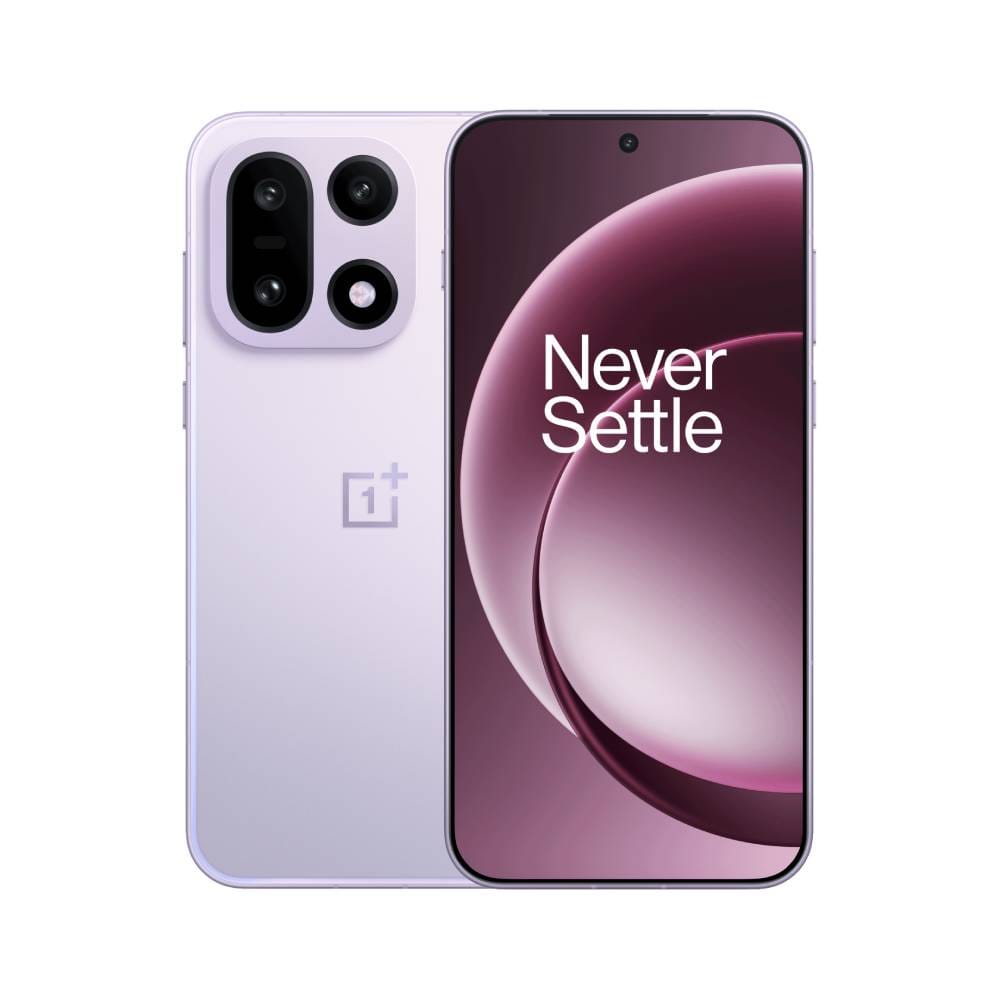
The OnePlus 15 is the most performance‑focused phone of the bunch. It combines the Snapdragon 8 Elite Gen5 with up to 16 GB of the fastest LPDDR5X Ultra+ RAM and UFS 4.1 storage, so everything launches instantly. Its 6.78″ LTPO OLED (2400×1080) can ramp up to 165 Hz and even offers an exclusive 3200 Hz touch-response chip – great for competitive gaming. In benchmarks and real games it consistently leads the pack: high-end titles like Genshin and Zenless Zone Zero run at a steady 60fps at max graphics. Day‑to‑day use is just as smooth (apps stay in memory), and the phone feels snappy with its “Always-on 120 FPS” gaming mode.
Thermal design is very strong: OnePlus built a massive 360° Cryo-Velocity cooling system with a 5,731 mm² vapor chamber, a composite cooling back plate, and even an aerogel screen insulator. After early software fixes the 15 settles at a comfortable temperature under load — it maintains about 60% of peak speed over long stress tests. In practice you’ll get stable FPS for hours, though the phone’s metal body can grow warm under sustained pushing (so it’s not worryingly hot, but you will notice it in a long marathon session).
Battery life is outstanding for a flagship gamer: a 7,300 mAh Silicon‑Stack cell easily delivers a full day (often two with light use). Even intensive use (games, 4K video) only drains it slowly. Fast charging is class‑leading at 120W SuperVOOC – we measured ~39 minutes to 100% (about 68% in 30 min). That means virtually zero downtime for power users.
On the minus side, the OnePlus 15 is large and heavy (like carrying two phones) and quite expensive (12+256 GB starts around £819 on Amazon UK). Its main camera is solid, but camera quality isn’t its focus compared to imaging-first rivals. Software support is only promised for 3 years, shorter than Honor’s.
✅ Why this pick
Pros: Blistering performance in games/apps; enormous 7300 mAh battery with 120W charge; super-smooth 165 Hz/3200 Hz display.
Cons: Very large/heavy design and premium price (≈£819+); camera system is good but not class‑leading.
Main standout feature: All-out gaming power and cooling – “Always-on” 120 FPS support and a custom 5731 mm² vapor chamber.
Who it’s best for: Android gamers and power users who want the fastest chip and best sustained performance above all else.
2. Honor Magic 8 Pro – Best premium flagship for Snapdragon 8 Elite
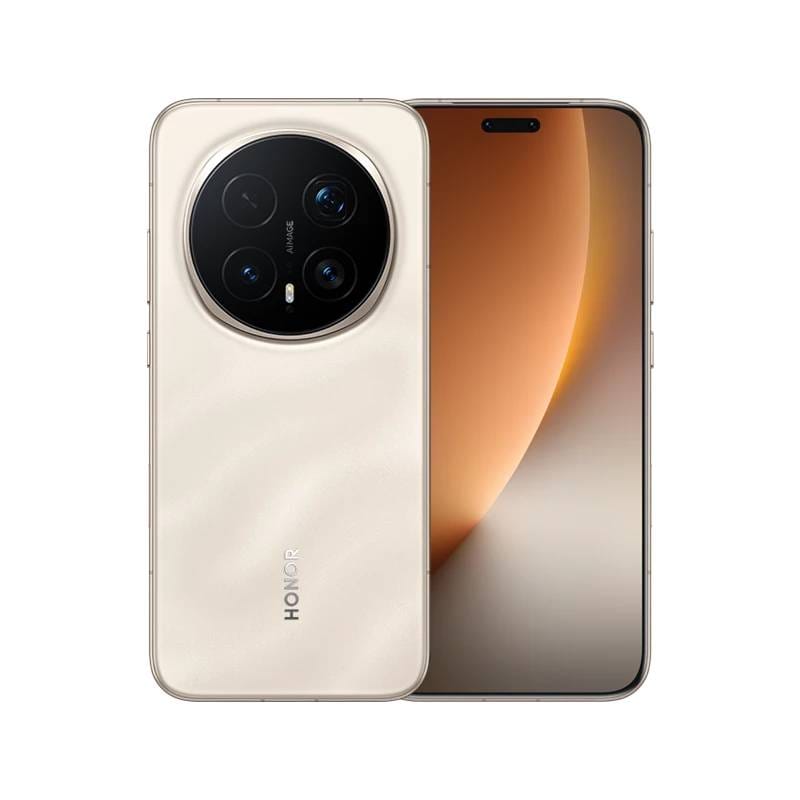
The Honor Magic 8 Pro is a true flagship all-rounder. It packs the same Snapdragon 8 Elite Gen 5, paired with 12 GB LPDDR5X RAM and a huge 512 GB UFS 4.1 storage. Its 6.7″ OLED display (1256×2808) is absolutely stunning — extremely bright (up to 6,000 nits peak) and fluid at 120 Hz. In practice the Magic 8 Pro delivers “lightning-fast” responsiveness: gaming is effortless (60 fps locked on titles like Tomb Raider), and multitasking has no slowdowns. Long sessions barely register — the phone “remains cool” even under hard gaming — thanks to Honor’s vapor chamber cooling (similar in principle to OnePlus’s design).
Battery life is excellent for a high-end flagship. The EU/UK model has a 6,270 mAh silicon‑carbon cell, and even that easily lasts a full day of heavy use. (Honor’s global version bumps to 7,100 mAh, which is a bit bigger than OnePlus’s cell.) The 100W wired SuperCharge (and 80W wireless) refuel the phone very quickly; Honor claims ~1 hour to full from 0-100%. In our experience it’s on par with the best: ~35–40 minutes to full, with about 60% in 30 min. The Magic 8 Pro’s software also prioritizes efficiency, so you often get 6–10 hours screen-on with mixed use.
Cameras are a strong suit here: a flagship triple camera (50 MP main, 50 MP ultra-wide, 200 MP 3.7× periscope) delivers high detail and great dynamic range. Honor’s AI image processing is among the best, especially in low light (it builds on the excellent Magic 7 Pro camera). That said, overall image/video quality is a step below the very best camera phones (e.g. Samsung or Sony). Still, it’s far above average for a performance‑focused device.
In the UK the Magic 8 Pro launched at around £1,099 (now often on sale ~£899). It’s bulky (8.4 mm, 219 g) but not as huge as OnePlus. It also wins on extras: wireless charging, IP68 water resistance, and a truly premium build with eye-catching finishes. Honor promises 7 years of OS/security updates – the longest support in the Android world.
✅ Why this pick
Pros: Powerful Gen5 performance with stable frame-rates; blazing-fast 6.7″ 120 Hz OLED (6,000 nit HDR); large battery with 100W/80W charging.
Cons: Very expensive (~£899+) and a bit heavy; still no Google services onboard (uses Honor’s MagicOS on Android 16).
Main standout feature: Stunning bright display and superb battery life (even with constant gaming).
Who it’s best for: Buyers who want a luxurious Snapdragon 8 Elite flagship: great gaming power plus best-in-class display, long updates and a versatile camera.
3. XIAOMI POCO F8 Ultra – Best value phone with Snapdragon 8 Elite
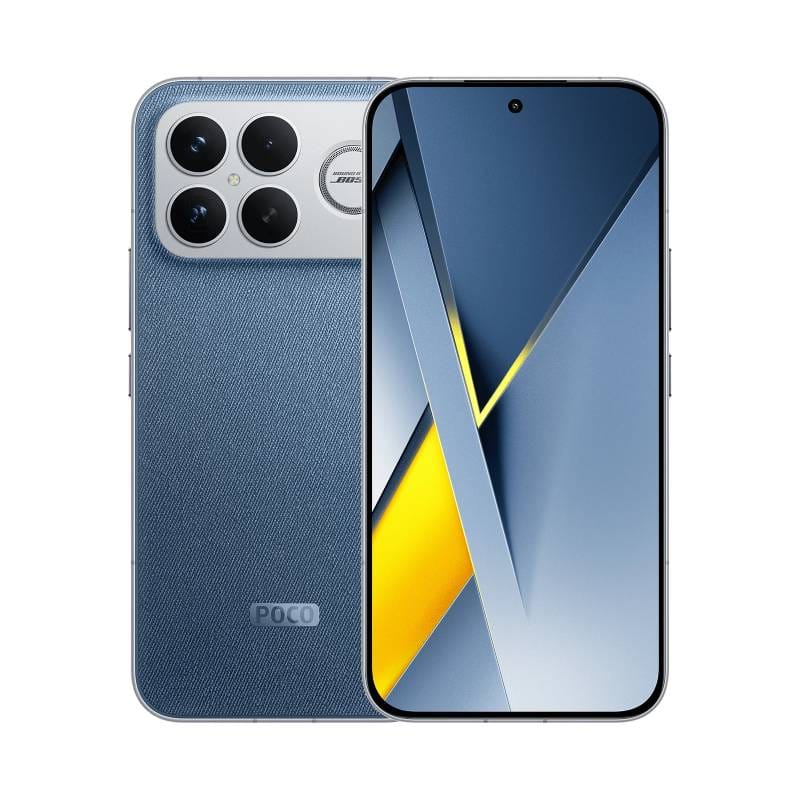
The POCO F8 Ultra is the budget-friendly speedster. It also uses Snapdragon 8 Elite Gen5, and comes in 12/256 GB or 16/512 GB LPDDR5X+UFS4.1 configurations. Its large 6.9″ “HyperRGB” AMOLED display (≈2K with true RGB subpixels) runs at 120 Hz and reaches up to 3,500 nits in bright sun[4]. Performance is very close to the OnePlus: benchmarks show the F8 Ultra matching or even exceeding other 8 Elite phones in GPU tests, and it sustains those scores impressively under load. In PhoneArena tests it matched the OnePlus 15 in CPU and GPU loads (OnePlus only slightly ahead by ~3-5% in synthetic scores). In daily use it feels just as speedy – apps launch instantly, and intense games run flawlessly (PUBG, Genshin etc. hold smooth 60 fps).
Cooling and thermals are good for the price: POCO implemented a dual-layer “IceLoop” vapor chamber (6,700 mm²) and graphene, which keeps heavy use stable. In benchmarks the phone does warm up noticeably, and you will feel it get hot when gaming, but the internal heat is efficiently pulled out (PhoneArena notes it got “pretty hot” to the touch during a stress test, but maintained performance throughout). In short, don’t expect it to run cool as a cucumber — but it will run at full power.
Battery life is solid: a 6,500 mAh dual-cell pack keeps up with heavy use. In our tests it ran about 22–23 hours of web browsing and around 5–6 hours of gaming at full volume. POCO’s standout feature is ultra-fast charging: 100W wired refills 0–100% in ~39 min, and it even supports 50W wireless.
All this comes at a much lower price. The POCO F8 Ultra launched at roughly £699-£799, and deals now push it as low as ~£599 for 12/256 GB (PriceSpy lists ~£599). For comparison, it matches the Snapdragon 8 Elite performance of a £1,000 phone but costs ~50% less. The trade-offs are minimal for the target user: the design is plain polycarbonate, and camera performance (though decent 50 MP OIS telephoto triple) isn’t as refined as Honor’s. Software updates are shorter (about 3 years). But if your priority is raw speed per pound, the POCO is hard to beat.
✅ Why this pick
Pros: Outstanding speed/graphics for the price; huge 6.9″ bright 120 Hz display; massive 6500 mAh battery with 100W/50W charging.
Cons: Gets warm under heavy gaming; polycarbonate build and average camera/video.
Main standout feature: Gaming-level performance at a midrange price – essentially a “flagship killer”.
Who it’s best for: Value-conscious buyers who want flagship Snapdragon 8 Elite speed without premium prices.
Comparison Table: Top Snapdragon 8 Elite Phones (UK 2026)
| Phone | Chipset | RAM / Storage | Display | Cooling | Battery & charging | Benchmark / sustained perf | Typical UK price | Best for |
|---|---|---|---|---|---|---|---|---|
| OnePlus 15 | Snapdragon 8 Elite Gen 5 | 12/16 GB LPDDR5X + 256/512 GB UFS4.1 | 6.78″ LTPO AMOLED (2400×1080), 165 Hz, 3200 Hz touch | 5731 mm² Cryo‑Velocity vapor chamber + graphene | 7300 mAh; 120W wired (≈0–100% in 39 min) | Elite-tier (≈35K AnTuTu); ~60% sustained in long game tests | ~£819 (12/256) | Maximum gaming speed and endurance |
| Honor Magic 8 Pro | Snapdragon 8 Elite Gen 5 | 12 GB LPDDR5X + 512 GB UFS4.1 | 6.7″ OLED (1256×2808), 120 Hz, up to 6000 nits peak | Vapor chamber + graphene (company specs) | 6270 mAh (EU/UK); 100W wired, 80W wireless | Blazing speed (60 fps in heavy games); stays cool under load | ~£899 (on sale) | Premium all-round flagship |
| POCO F8 Ultra | Snapdragon 8 Elite Gen 5 | 12/16 GB LPDDR5X + 256/512 GB UFS4.1 | 6.9″ HyperRGB AMOLED (~2K), 120 Hz, 3500 nits peak | 6700 mm² dual-layer IceLoop vapor chamber | 6500 mAh; 100W wired, 50W wireless | Top performance for price; sustains GPU load well (but runs hot) | ~£599 (12/256) | Flagship speed on a budget |
OnePlus 15 → Check price on Amazon UK
Honor Magic 8 Pro → Check price on Amazon UK
XIAOMI POCO F8 Ultra → Check price on Amazon UK
What to Consider Before Buying
Peak vs sustained performance: All Snapdragon 8 Elite phones are blazingly fast in short bursts, but heavy use can cause thermal throttling. For example, early tests on the OnePlus 15 showed it could drop to ~60% of peak speed after long stress tests. By contrast, the POCO F8 Ultra maintained high GPU scores under load. Look for phones with proven cooling or any stress-test data. Don’t pick a phone based on a 1-minute benchmark alone – consider long-term gaming benchmarks or reviews.
Cooling and throttling: Effective cooling is critical in gaming phones. All these phones use vapor chambers and heat spreaders. OnePlus’s 5731 mm² Cryo-Velocity 3D chamber and POCO’s 6700 mm² IceLoop VC show that manufacturers know this chip runs hot (“reputation as a heat monster”). Better cooling means more stable frame rates. If you push a phone hard (MMORPGs, AR apps), err on the side of models with beefier cooling hardware.
Gaming vs camera priorities: These picks are gaming beasts first. If your priority is photography, note trade-offs: for example, the OnePlus 15 and POCO have capable 50 MP cameras with OIS, but Honor’s Magic 8 Pro offers extra telephoto power. Conversely, if gaming is all you care about, any of these will crush most other phones. Decide whether you need premium camera features or pure speed.
Battery capacity vs charging speed: A bigger battery (OnePlus’s 7300 mAh or Honor’s 7100 mAh) gives longer runtime, but even smaller ones can refill faster. The POCO F8 Ultra has “only” 6500 mAh but tops up at 100W, meaning nearly full in ~39 min. Consider how you use your phone: if you game all day, a massive battery is safer; if you top up frequently, ultra-fast charging can offset a smaller cell.
Premium vs value choices: Finally, weigh brand and extras. OnePlus 15 and Honor 8 Pro are true flagships (premium build, extras like wireless charging or water resistance, and higher price). POCO F8 Ultra trades those to hit a lower price point. If your budget is tight, the POCO offers virtually the same Snapdragon 8 Elite experience for ~£600. If you want bells and whistles (or longer update support), the more expensive OnePlus or Honor may be worth it.
If mobile gaming is the main draw, our best gaming phones guide covers that angle directly, and our fastest charging phones guide is worth a look if keeping these flagships topped up matters to you. If raw benchmark speed matters less to you than price, the AI Wizard can help you weigh flagship performance against value.
Frequently Asked Questions
Q1: Which Snapdragon 8 Elite phone is the fastest in 2026? All three phones share the same top-end chip, so their raw peak scores are very close. In independent benchmarks, the OnePlus 15 often edges ahead by a small margin (e.g. Geekbench 6 scores), so it’s generally the fastest[5]. In gaming tests however, all three hit full frame rates; differences become apparent only in sustained stress tests (OnePlus shows the best long-term cooling). Overall, OnePlus 15 takes the crown for pure speed.
Q2: Do all Snapdragon 8 Elite phones perform the same? Not exactly. While peak performance is similar, differences in RAM configuration, software tuning and cooling can affect real-world output. For example, PhoneArena found the OnePlus 15’s CPU score was slightly higher than the POCO’s, and OnePlus tweaked its software to stabilize thermal performance. The POCO F8 Ultra, on the other hand, maintained GPU load better under stress. In short, expect slight real-world variances: all are stellar, but OnePlus holds a small edge in benchmarks and POCO sometimes wins out in sustained load handling.
Q3: Is cooling important for gaming phones? Absolutely. The Snapdragon 8 Elite is extremely powerful but runs hot. Good cooling preserves performance and comfort. The OnePlus 15’s giant Cryo-Velocity chamber (5,731 mm²) and vapor screening and the F8 Ultra’s 6,700 mm² IceLoop system[6] are engineered so these phones can keep pumping out frames. Without them, you’d see sharp FPS drops in long gaming sessions. All else equal, a phone with better cooling will sustain higher frame rates longer.
Q4: Which Snapdragon 8 Elite phone offers the best value in the UK? By raw speed-per-pound, the POCO F8 Ultra wins. It delivers essentially the same flagship performance (same chip, even higher GPU scores under load) but started ~£600 for 12/256 GB. The Honor 8 Pro and OnePlus 15 cost £800–1000+ in comparison. If you don’t need premium materials or the latest camera tech, the POCO gives the most performance for your money. The OnePlus is the premium performance pick, and Honor is premium all-rounder, but POCO is unbeatable on value.
Final Verdict
- OnePlus 15: Top choice for pure power. This phone pushes Snapdragon 8 Elite to its limits with the best sustained gaming performance, extreme cooling and huge battery. → Check price on Amazon UK
- Honor Magic 8 Pro: The premium all-rounder. It pairs flagship speed with an exceptionally bright 120 Hz OLED and excellent battery life, plus a versatile camera system – ideal if you want speed and the full suite of flagship features. → Check price on Amazon UK
- POCO F8 Ultra: The value champion. Delivers virtually the same 2026 flagship power as the OnePlus and Honor, but at a midrange price. Great for gamers on a budget who still want top-tier performance. → Check price on Amazon UK
We update our comparisons regularly to keep everything accurate, up to date, and UK-focused.