Top Multitasking Phones (UK 2026) – RAM Monsters That Switch Apps Without a Single Lag
Lots of apps open, zero lag — our top phone picks for heavy multitaskers who hate waiting for apps to reload.
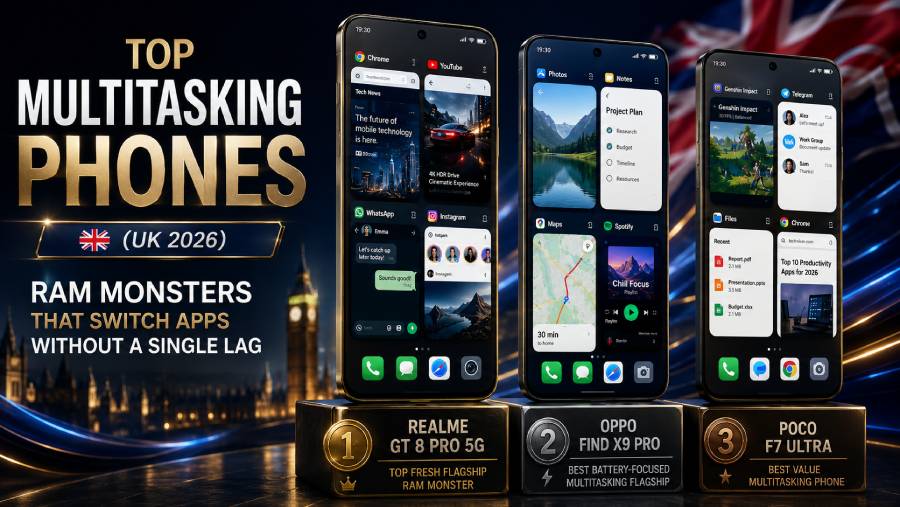
Reviewed for RAM, app switching, chipset performance, battery life & value – updated 2026
🥇 Realme GT 8 Pro 5G – Best fresh flagship RAM monster for multitasking → Check price on Amazon UK
🥈 OPPO Find X9 Pro – Best battery-focused multitasking flagship → Check price on Amazon UK
🥉 POCO F7 Ultra – Best value multitasking performance phone → Check price on Amazon UK
👉 Scroll down to see full reviews and Amazon UK links
Introduction
This guide is for UK buyers who want an Android phone that still feels fast when the day gets messy: lots of apps open, plenty of notifications flying in, camera use, background uploads, split-screen work, social media, gaming, maps, messages and browser tabs all competing for memory at once. In 2026, good multitasking performance is no longer just about chasing the biggest RAM figure on the spec sheet. The phones that actually feel smooth are the ones that combine generous RAM with a genuinely fast flagship chipset, quick storage, sensible thermal control and software that does not constantly throw your apps out of memory the moment the phone heats up or battery levels start dropping.
That is exactly why these three phones made the shortlist. The realme GT 8 Pro 5G stands out as the freshest flagship-style RAM monster, with a huge battery, very high-end display and serious processing power. The OPPO Find X9 Pro is the battery-led premium choice for buyers who want heavy daily use without constant charging anxiety. The POCO F7 Ultra is the value pick, offering flagship-grade silicon and fast memory at a more aggressive price point.
What Makes a Great Multitasking Phone in 2026
- RAM capacity and RAM management: In 2026, 12GB RAM is a sensible starting point for serious multitasking, while 16GB is better for heavier users who jump between work apps, editing apps, camera tasks and games throughout the day. Just as important is how well the software keeps those apps alive in the background.
- Chipset performance: Strong RAM is wasted if the processor cannot keep up when several demanding apps are active together. Current flagship silicon such as the Snapdragon 8 Elite family and MediaTek Dimensity 9500 is what helps these phones feel instant rather than merely acceptable under pressure. [1]
- Fast storage: Fast storage matters more than many buyers realise. LPDDR5X memory and UFS 4.1-class storage help with app loading, reopening large files, background installs and avoiding those annoying half-second delays that make a phone feel slower than its benchmark numbers suggest. [2]
- App switching and background retention: The best multitasking phones are the ones that let you jump from browser to camera to notes to social apps without constant reloads. That depends on the full package: RAM, software tuning and whether the phone is still performing properly once it gets warm.
- Thermal control during heavy use: Cooling systems matter because heat is what turns a fast phone into a stuttering one. Clever vapour chambers, extra graphics chips and thermal tuning help, but the real test is whether the phone stays stable during long gaming, extended camera work and repeated app switching. [3]
- Battery life and charging speed: Heavy multitasking drains phones faster than light browsing does. If you use navigation, hotspotting, camera tools, editing and gaming in the same day, a large battery and genuinely fast top-ups are not luxuries; they are part of the multitasking experience.
- Display quality and software experience: A large, bright, sharp display makes split-screen use, document work and content creation easier, while good software makes the whole phone feel calmer and quicker. Smooth animations and better background management are often more useful than one extra spec bump on paper.
Top Multitasking Phone Picks
Realme GT 8 Pro 5G – Best fresh flagship RAM monster
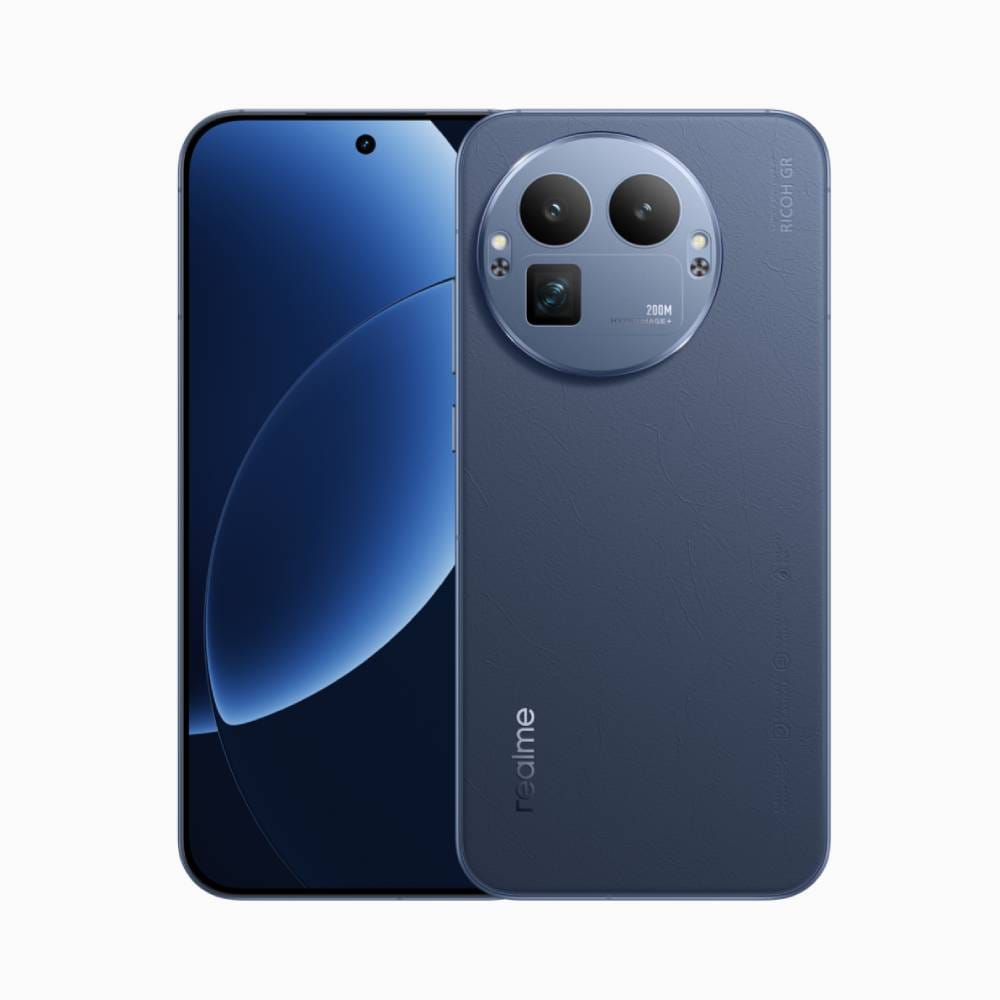
The realme GT 8 Pro 5G is the most obvious “RAM monster” pick in this guide because it combines the sort of spec sheet power users actively look for: Snapdragon 8 Elite Gen 5, up to 16GB RAM, high-end storage, a 6.79-inch QHD+ AMOLED panel running up to 144Hz, a 7,000mAh battery and both 120W wired plus 50W wireless charging. It also adds a big vapour-chamber cooling system and realme UI 7.0 on Android 16, which gives it the right foundations for genuinely heavy app switching rather than just a flashy box spec. [4]
In real-world multitasking use, this is the phone here that feels most like an all-round flagship power tool. The large, sharp display makes split-screen browsing and messaging feel roomy, the 144Hz refresh rate helps the whole phone feel faster when you are flicking between apps, and the big battery means you can push it much harder than most phones before you start worrying about charge. Benchmark data also backs up the day-to-day impression: UL’s PCMark Work 3.0 result shows strong productivity performance and a 20h 47m battery figure, which is exactly the kind of balance heavy users want from a daily driver. [5]
What keeps it from becoming the automatic answer for every buyer is sustained stress behaviour. Notebookcheck found that the GT 8 Pro can throttle heavily under prolonged load, so the phone’s raw ceiling is more impressive than its marathon pace. For normal demanding use, though, that matters less than you might think. If your routine is dozens of app swaps, constant camera use, social posting, document work and some gaming rather than endless benchmark loops, the GT 8 Pro still feels brutally quick. Add the cited European five-major-update support, and it remains a very convincing 2026 multitasking flagship for UK buyers.
Why this pick
✅ Pros:
- Huge 7,000mAh battery with 120W wired and 50W wireless charging.
- 6.79-inch QHD+ 144Hz AMOLED display gives you loads of room for split-screen work and fast-feeling navigation.
- Flagship-grade performance with strong benchmark results and a modern Android 16 software base.
⛔ Cons:
- Sustained heavy-load throttling is more obvious than the headline specs suggest.
Main standout feature:
The standout is how much high-end hardware you get in one device: huge battery, fast charging, 144Hz 2K display and flagship silicon. For buyers who want a phone that feels fresh, fast and expensive every time they unlock it, this is the closest thing here to a pure spec-sheet flex.
Who it’s best for:
Best for power users, students, gamers and creators who keep lots of apps open and want the freshest flagship-style experience of the three. If your buying instinct is “give me the biggest performance-feeling package first”, this is the one that fits that brief best.
Amazon UK Check:
The GT 8 Pro sits in the premium-but-still-practical end of this shortlist. It is the model to price-check first if you want the newest-feeling hardware mix, the biggest “RAM monster” energy and a battery that matches heavy daily use properly. → Check price on Amazon UK
OPPO Find X9 Pro – Best battery-focused multitasking flagship
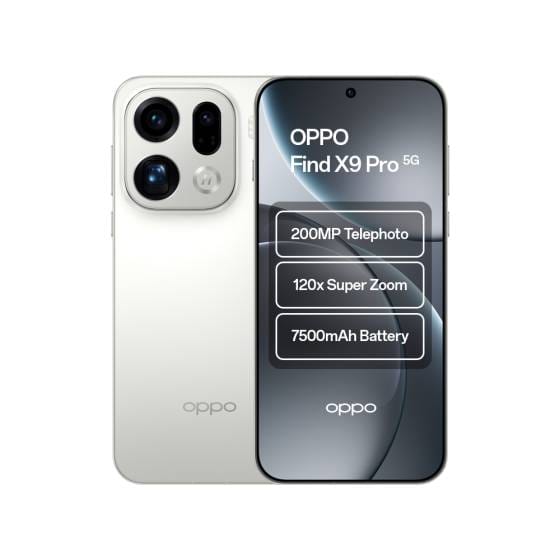
The OPPO Find X9 Pro takes a slightly different route to multitasking excellence. Instead of chasing the loudest raw-performance story, it delivers a more balanced premium experience built around 16GB RAM, 512GB UFS 4.1 storage, a MediaTek Dimensity 9500 chipset, a 6.78-inch 120Hz AMOLED display and a massive 7,500mAh battery with 80W wired and 50W wireless charging. On paper alone, that already makes it one of the smartest buys for buyers who want dozens of open apps, long workdays and less dependence on a charger. [6]
Where the Find X9 Pro really earns its place is in real-world behaviour. TechRadar’s review noted that it stayed fast and fluid in almost any scenario and that even with multiple apps open on-screen it was hard to slow down. That matters far more than synthetic bragging rights for the average UK buyer. If your day involves messages, browser tabs, documents, camera use, background syncing, social uploads and occasional gaming, this is the sort of phone that feels calm rather than frantic. The combination of 16GB RAM and fast storage also means fewer reloads and a more desktop-like feel when hopping around heavy apps. [7]
The battery story is the clincher. Review testing found one and a half to two full days of use to be realistic, and that gives the Find X9 Pro a clear practical edge for business users, travellers, students on long days out and creators who shoot, edit and upload from their phone. It is also a large, expensive device, so it will not be the right answer for everyone. But if you want premium multitasking with flagship polish and standout endurance, this is the safest heavy-use recommendation in the article.
Why this pick
✅ Pros:
- 16GB RAM, 512GB UFS 4.1 storage and the Dimensity 9500 make multi-app use feel genuinely effortless.
- Huge 7,500mAh battery with 80W wired and 50W wireless charging.
- Large AMOLED display and smooth ColorOS 16 software are excellent for work, media and creator use.
⛔ Cons:
- It is the priciest and bulkiest phone in this guide.
Main standout feature:
The standout is not just the battery size on its own, but the way that battery changes ownership. A phone that can comfortably survive a very hard day, and often much more than that, simply feels better for real multitasking because you are not constantly managing battery percentages alongside your apps.
Who it’s best for:
Best for heavy daily users who work from their phone, travel often, shoot a lot of photos and video, or simply hate charging. If battery confidence is part of your definition of a fast phone, the Find X9 Pro is the most complete option here.
Amazon UK Check:
The Find X9 Pro is the premium pick of the three, so it is worth watching live Amazon UK pricing carefully. If the gap is sensible, you are paying for one of the strongest combinations of endurance, storage, smoothness and daily-use confidence in this whole comparison. → Check price on Amazon UK
POCO F7 Ultra – Best value multitasking performance phone
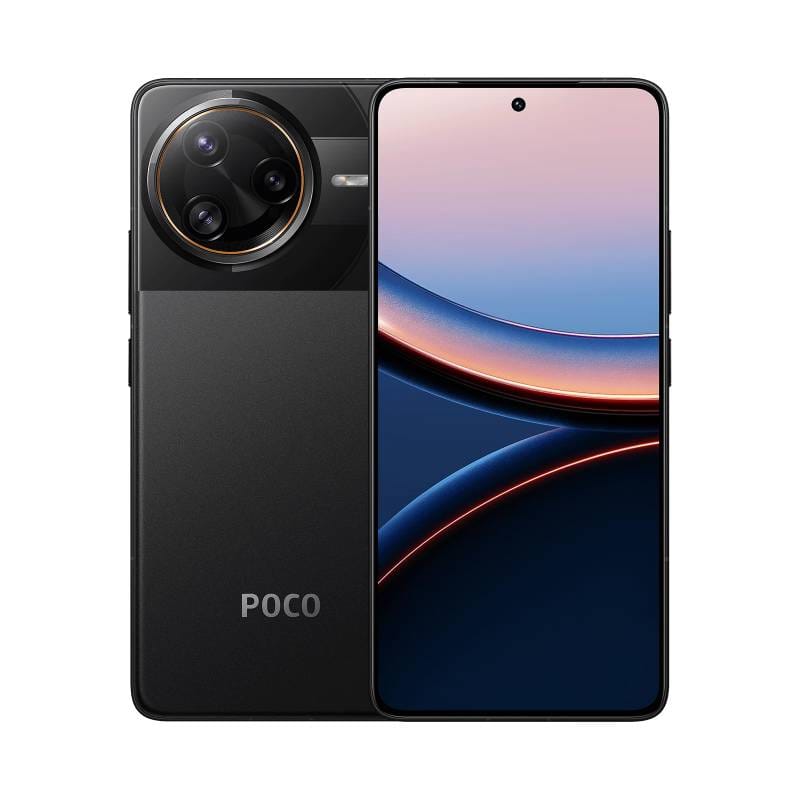
The POCO F7 Ultra is the phone here for buyers who care most about performance per pound. Its core hardware is still properly high-end: Snapdragon 8 Elite, 12GB or 16GB RAM, 256GB or 512GB UFS 4.1 storage, a 6.67-inch WQHD+ AMOLED display at up to 120Hz, a 5,300mAh battery, 120W wired charging, 50W wireless charging, plus gaming-focused extras such as the VisionBoost D7 graphics chipset and LiquidCool Technology 4.0. On pure paper specs, it does not feel like a compromise phone at all. [8]
In day-to-day use, that translates into exactly what most multitasking buyers want: rapid app launching, very strong gaming headroom and a sense that the phone is barely breaking a sweat when you flip between demanding tasks. TechRadar found everyday performance faultless, while Notebookcheck praised the combination of a fast SoC and fast memory. Battery life is also better than the spec sheet might first suggest; TechRadar found it easy to stretch into a second day with moderate use, and Notebookcheck logged more than 18 hours in its Wi-Fi test. Charging remains a real weapon too, with TechRadar recording 52% in 15 minutes and a full charge in just over 30 minutes using the proper charger. [9]
Why is it only third? Mostly software polish. HyperOS 2 is fast, but reviewers were much less enthusiastic about its clutter, bloat and messy feel than they were about the hardware. The camera system is also good rather than exceptional, so this is not the creator-first choice. But for sheer value-led multitasking performance, app switching speed and gaming-friendly hardware, the POCO F7 Ultra is still one of the most convincing Android buys for a UK power user in 2026.
Why this pick
✅ Pros:
- Flagship chip, fast LPDDR5X/UFS 4.1 memory and excellent everyday speed for the money.
- Strong gaming extras including VisionBoost D7, dedicated cooling and very fast charging.
- Sharp 2K display and stronger-than-expected battery stamina make it a practical heavy-use phone as well as a fast one.
⛔ Cons:
- HyperOS is quick, but it feels cluttered and less polished than the other two phones here.
Main standout feature:
Its standout feature is simple: it gets you much closer to full flagship multitasking speed than its pricing position suggests. If you want lots of raw power, fast charging and proper gaming credentials without jumping to the most expensive phone in the article, this is the clever money pick.
Who it’s best for:
Best for students, gamers, social-heavy users and value-focused power users who still want high-end daily performance. It is the easiest recommendation for anyone who wants the strongest bargain out of the three without sacrificing serious speed.
Amazon UK Check:
The POCO F7 Ultra is the one to price-check if value is driving your decision. When the Amazon UK gap stays sensible against the two more premium rivals here, this is the phone most likely to make power users feel they have beaten the flagship pricing game. → Check price on Amazon UK
Comparison Table
|
Feature |
realme GT 8 Pro 5G |
OPPO Find X9 Pro |
POCO F7 Ultra |
|
RAM / storage configuration |
Typically 12GB/256GB to 16GB/512GB |
16GB/512GB |
12GB/256GB or 16GB/512GB |
|
Chipset |
Snapdragon 8 Elite Gen 5 |
MediaTek Dimensity 9500 |
Snapdragon 8 Elite |
|
Best multitasking strength |
Fresh flagship power with huge battery
headroom |
Massive endurance and very steady daily
smoothness |
Value-led speed with strong gaming extras |
|
Display |
6.79in QHD+ AMOLED, up to 144Hz |
6.78in AMOLED, 120Hz |
6.67in WQHD+ AMOLED, 120Hz |
|
Battery life |
Excellent all-day-plus stamina |
Outstanding; often 1.5–2 days |
Strong; easily gets through a hard day, often
more |
|
Charging |
120W wired, 50W wireless |
80W wired, 50W wireless |
120W wired, 50W wireless |
|
Cooling / sustained performance |
Big cooling claim, but heavy stress throttling
shows up |
Generally smoother under load, with only
occasional heat noted |
Gaming-focused cooling helps, but stress
throttling still exists |
|
Software experience |
realme UI 7, feature-rich and smooth |
ColorOS 16, polished and quick |
HyperOS 2, fast but cluttered |
|
Camera / creator use |
Strong all-round creator-friendly setup |
Best creator-oriented package of the three |
Good enough, but performance matters more than
camera prestige |
|
Best for |
Buyers who want the freshest flagship-style
spec sheet |
Buyers who want premium multitasking and huge
battery life |
Buyers who want performance value first |
|
Typical UK buyer profile |
Power user who keeps loads of apps open and
wants premium hardware |
Business user, traveller or creator who hates
charging anxiety |
Student, gamer or value-focused power user |
Realme GT 8 Pro 5G → Check price on Amazon UK
OPPO Find X9 Pro → Check price on Amazon UK
POCO F7 Ultra → Check price on Amazon UK
What to Consider Before Buying a Multitasking Phone
- RAM versus real-world optimisation: Do not buy purely by the RAM number. For many people, 12GB is already enough, while 16GB makes more sense if you constantly juggle work, social, editing and gaming apps together. Good background app management still matters just as much as the sticker spec.
- Why chipset and storage speed matter: A fast processor and quick storage affect how smoothly the phone reopens apps, installs updates, loads large galleries and handles split-screen use. That is why flagship chips and UFS 4.1-class storage matter so much in this category.
- Whether 12GB RAM is enough or 16GB is better: If you mostly browse, message, stream and do occasional gaming, 12GB is fine. If you shoot a lot of media, game heavily and keep many apps alive all day, 16GB is the better long-term buy.
- Battery drain during heavy multitasking: Navigation, camera work, hotspotting, uploads and gaming can batter battery life. That is why the OPPO’s 7,500mAh and the realme’s 7,000mAh are such strong selling points, while the POCO wins back ground with very rapid charging.
- Thermal throttling and cooling: Marketing claims about cooling do not always tell the whole story. The realme and POCO both have serious cooling hardware on paper, but review testing still found visible throttling under prolonged stress, while the OPPO’s strength is more about calm day-long usability than show-off gaming claims.
- Software updates and Android skin: You live with the software every day, so the skin matters. realme UI and ColorOS are smoother and more polished in current reviews, while HyperOS gives the POCO plenty of speed but also more clutter; on the plus side, the POCO gets four OS upgrades and six years of security patches in cited reviews.
- Camera, gaming and productivity needs: If content creation matters most, the OPPO is the strongest fit. If you want the most aggressive all-round flagship feel, the realme makes sense. If performance value and gaming matter more than software finesse, the POCO is the most logical buy.
Frequently Asked Questions
Q1. How much RAM do I need for multitasking in 2026?
For most serious users, 12GB is enough. If you regularly game, edit media and keep lots of apps open in the background, 16GB is the better long-term choice.
Q2. Is 16GB RAM better than 12GB RAM?
Yes, but only if the rest of the phone is strong too. Faster chips, better storage and smarter software optimisation still matter more than RAM alone.
Q3. Are gaming-focused phones better for multitasking?
Not automatically. Good cooling helps, but so do battery size, software polish and background app behaviour. In this group, the POCO leans most toward gaming-value, while the OPPO is the battery-led all-day option and the realme is the fresh flagship all-rounder.
Q4. Which of these three phones is best for heavy daily use?
If you want the safest heavy-use answer, pick the OPPO. If you want the freshest flagship feel, pick the realme. If you want the strongest performance value, pick the POCO.
Final Verdict
- Realme GT 8 Pro 5G is the best choice for buyers who want the freshest flagship-style RAM monster with strong all-round multitasking performance → Check price on Amazon UK
- OPPO Find X9 Pro is the best option for buyers who want premium multitasking with excellent battery life and all-day endurance → Check price on Amazon UK
- POCO F7 Ultra is the best value pick for power users who want high-end multitasking performance without paying full premium flagship prices → Check price on Amazon UK
For UK buyers, it really comes down to whether you want the freshest flagship feel, the biggest battery cushion or the strongest performance-for-money story.
We update our comparisons regularly to keep everything accurate, up to date, and UK-focused.