Lightweight & Slim Phones (UK 2026) – Premium Design Without the Bulk
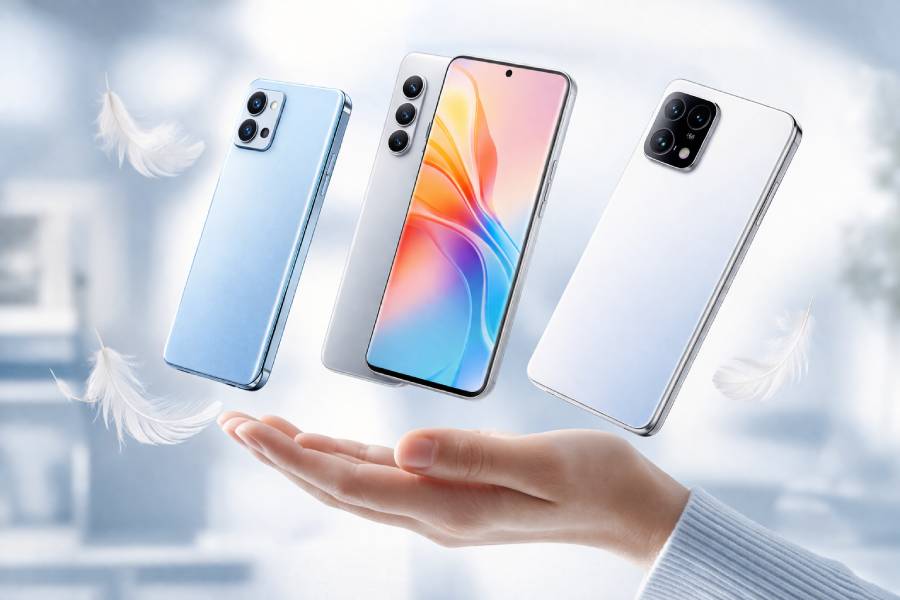
Reviewed for design, comfort & value – updated 2026
🥇 Motorola Edge 70 – Best overall lightweight & slim performance → Check price on Amazon UK
🥈 Samsung Galaxy S26 – Best premium flagship for slim design → Check price on Amazon UK
🥉 Xiaomi 15 – Best value phone with slim design → Check price on Amazon UK
👉 Scroll down to see full reviews and Amazon UK links
Introduction
If you love a premium-feeling phone but hate the bulk that comes with many modern flagships, this guide is for you. A genuinely slim and lightweight handset is still one of the most underrated quality-of-life upgrades in 2026: it’s easier to use one-handed, less tiring in long scrolling sessions, and far more comfortable to carry in jeans pockets, smaller bags, or a jacket. And when a phone sits flatter in your hand (and doesn’t pull your pocket down), you’re simply more likely to take it everywhere—without thinking about it.
For this UK-focused shortlist, every pick is a 2025–2026 release (no older models), selected specifically for thinness, low weight, premium build, and real-world everyday usability. The measurements and core specs are taken from official manufacturer information, and the comfort/performance insights come from hands-on reviews that discuss how these phones actually feel to live with day-to-day.[1]
What Makes a Great Slim & Lightweight Phone in 2026
Slim-and-light isn’t just a spec-sheet flex—it changes how a phone fits into your day. Here’s what matters most when buying in 2026:
- Thickness and weight: Lower numbers usually mean better comfort, but balance matters too. A 159g phone at ~5.9mm feels dramatically different in the pocket than a heavier device—even if both have “compact” screens.
- Build materials and in-hand feel: Premium frames (high-strength aluminium, reinforced glass) help thin phones avoid feeling flimsy. Look for tougher glass and solid frames that won’t flex in use.
- Pocketability and comfort: Width and edge design matter. A compact width and rounded or micro-curved edges often feel better one-handed than a wider slab.[2]
- Display size vs body size balance: The sweet spot is a screen that’s big enough to enjoy, but packaged into a body you can still grip securely and reach across with your thumb.
- Battery tech in slimmer phones: 2025–2026 models increasingly lean on newer battery approaches (for example, silicon-carbon) and tighter internal packaging to keep capacity respectable in a thinner chassis.
- Durability (IP rating, frame quality): Thin should still mean practical. Prioritise strong ingress protection (IP ratings) and reinforced frames/glass—especially if you carry your phone without a chunky case.[1]
- Why slim design matters in daily use: Less bulk makes the phone easier to hold for longer, quicker to slip in and out of a pocket, and more comfortable for commuting, workouts, and travel—without sacrificing the “premium” feel you’re paying for.[3]
Top Three Picks (UK 2026)
1. Motorola Edge 70 – Best overall lightweight & slim performance
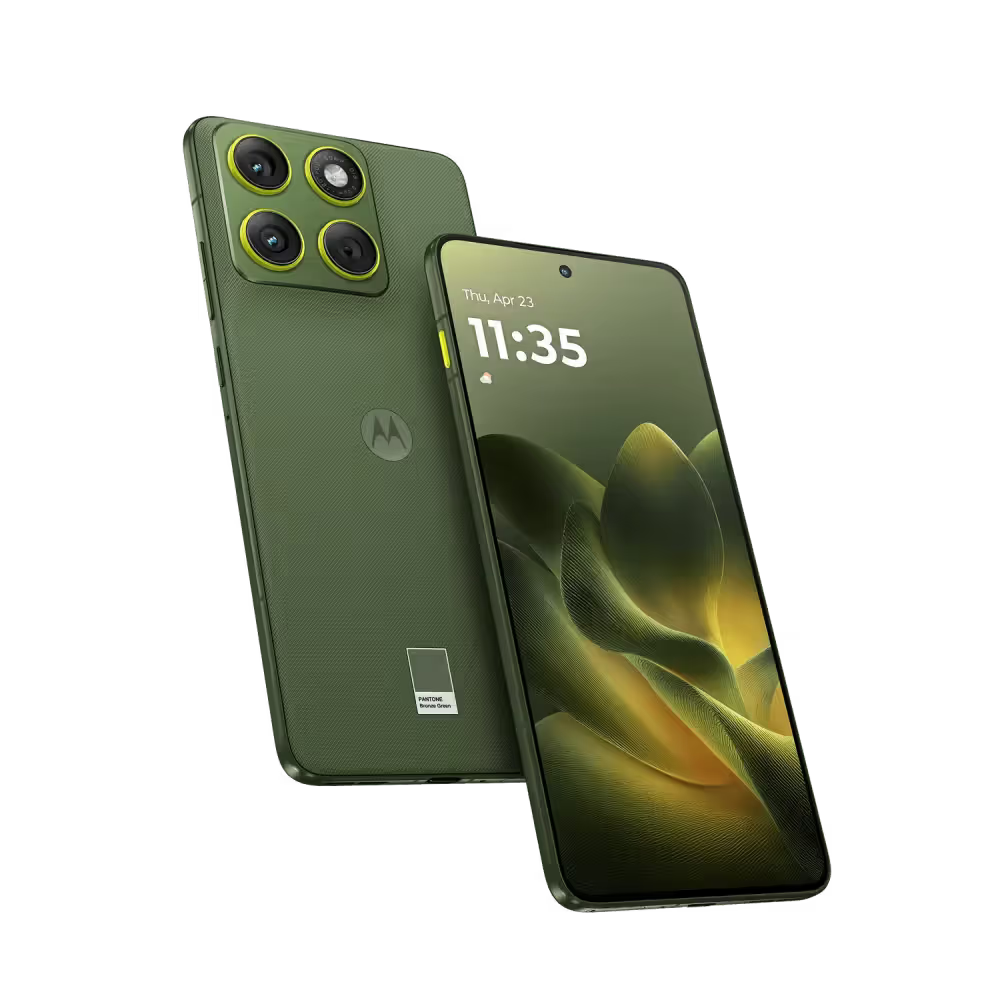
If your #1 priority is getting a phone that feels premium without feeling like you’re carrying a brick, the Motorola Edge 70 is the clear standout. On paper it’s extreme—around 5.9mm thin and 159g—and in real life that translates into a phone that feels almost weightless in the hand and noticeably easier to carry all day.[1]
The key reason it works as an everyday phone (not just a design gimmick) is that it doesn’t trade away the fundamentals. Motorola pairs the slim chassis with a 4,800mAh battery and fast 68W wired charging, plus wireless charging—so you’re not forced into constant top-ups just because you went thin.In extended use, reviewers found it comfortably lasts a full day and can push into the next with lighter usage, which is exactly what most people need from a daily driver.
In-hand feel also comes down to materials and structure. Motorola leans on aircraft-grade aluminium and Gorilla Glass, and backs it with strong protection ratings (including IP68/IP69) so you don’t feel like you’re babying an ultra-thin phone. That said, there’s one real-world nuance worth flagging: if you’re the type of person who always uses a thick protective case, you’ll dilute some of the “wow” of the ultra-slim design.
Performance is aimed at speed and smoothness rather than raw “benchmark bragging rights”. It runs on a Snapdragon 7-series chipset, which is plenty for daily apps, photography, navigation, and even gaming—but it’s not trying to be the most overpowered phone of 2026. For most buyers who prioritise comfort, that trade-off is sensible: you get a phone that feels special every time you pick it up.
✅ Why this pick
Pros:
- The slimmest and lightest here—5.9mm / 159g feels genuinely different day-to-day.
- Strong “thin phone” practicality: 4,800mAh plus fast 68W charging (and wireless).
- Premium build and real protection: aluminium + Gorilla Glass with high IP ratings.
Cons: If you use a chunky case full-time, you’ll reduce the benefit of the ultra-slim chassis.
Main standout feature: True “pocket-friendly” engineering—the Edge 70’s 5.9mm thin, 159g build is the closest thing to a “carry-nothing” smartphone experience, while still keeping a sensible battery and charging setup.
Who it’s best for: UK buyers who want the most noticeable comfort upgrade—easy one-hand use, easy pocket carry, and a premium feel—without giving up the basics that make a phone practical every day (battery, charging, durability).
Amazon UK Check: 👉 Check price on Amazon UK – The Edge 70 launched around £699.98 in the UK, positioning it as a premium “thin-first” phone rather than a budget option. If slimness and weight are the whole point of your upgrade, this is the one that will feel different from day one.
1. Samsung Galaxy S26 – Best premium flagship for slim design
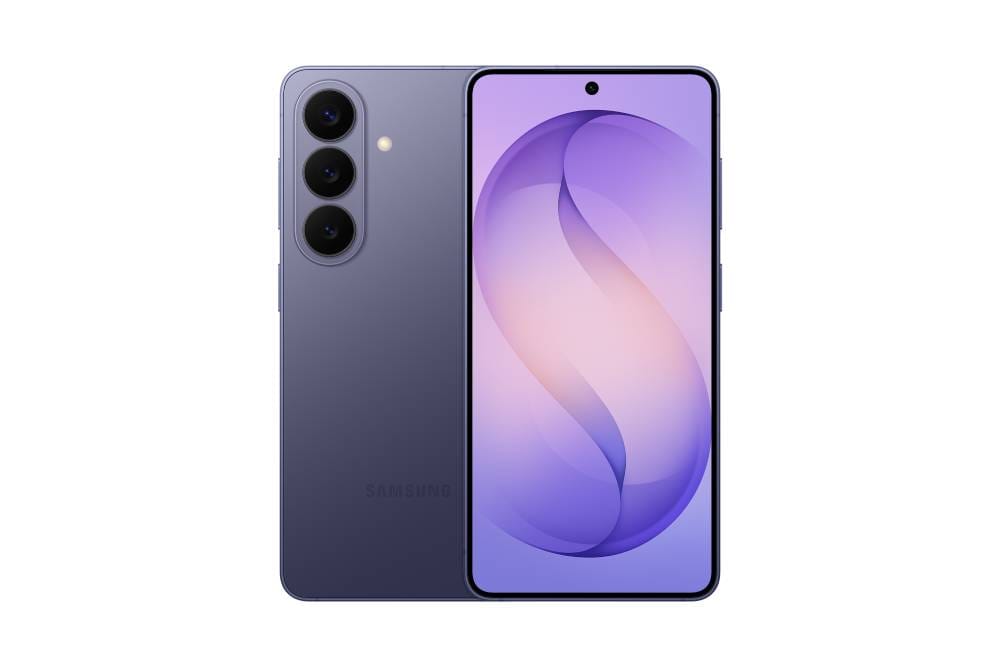
The Samsung Galaxy S26 is the choice for buyers who want a proper flagship experience in a body that still feels sleek and manageable. It sits at 7.2mm thin and 167g, which is not “ultra-thin” in the same way as the Edge 70—but it is impressively compact for a premium 2026 flagship, especially if you’ve grown tired of larger, heavier phones.
Where the S26 really earns its place in a slim-and-light shortlist is how premium and balanced it feels. Reviewers highlight the comfortable proportions and weight distribution—important, because a light phone can still feel awkward if it’s top-heavy or slippery. Samsung also reinforces the build with an Armor Aluminum frame, Gorilla Glass Victus 2 on front and back, and IP68 water/dust resistance—exactly what you want when paying flagship money for something you’ll carry every day.
On the usability side, the S26 keeps the screen experience high-end with a 6.3-inch Dynamic AMOLED panel and high peak brightness (Samsung cites 2600 nits), so you’re not “downsizing” into a compromised display. That matters for a slim phone because a bright, high-quality screen keeps the device enjoyable even when you intentionally choose a smaller, more pocketable form factor.
The main trade-off is battery: the S26 has a 4,300mAh cell. In practice, reviewers characterise it as a daily-charge phone for many people—fine for normal habits, but not a “forget the charger” marathon runner. That’s the reality of going compact: you’re buying comfort and pocketability, not maximum battery volume.
Performance is firmly flagship-class. UK models are commonly positioned with Exynos 2600 (Samsung’s own chipset), and the phone supports Samsung’s long-term approach to software support, which is a huge value point if you keep phones for years.
✅ Why this pick
Pros:
- Premium compact feel: 7.2mm / 167g with balanced in-hand ergonomics.
- Strong durability for a slim phone: Armor Aluminum + Gorilla Glass Victus 2 + IP68.
- High-end 6.3" AMOLED experience with very high brightness (2600 nits claimed).
Cons: Battery is “good for a compact flagship” rather than exceptional—many users will still charge daily.
Main standout feature: Flagship build quality in a genuinely compact body—thin, light, and reinforced with premium materials that make it feel like a top-tier device, not a compromise phone.
Who it’s best for: UK buyers who want a premium flagship that’s comfortable one-handed, fits in pockets easily, and feels properly high-end—without stepping up to larger, heavier “max-sized” phones.
Amazon UK Check: 👉 Check price on Amazon UK – SIM-free UK pricing commonly sits around £879 (256GB), which is premium—yet it’s the kind of upgrade you feel every day if you prioritise comfort and build quality. Check our website for more details about Samsung Galaxy S26.
1. Xiaomi 15 – Best value phone with slim design
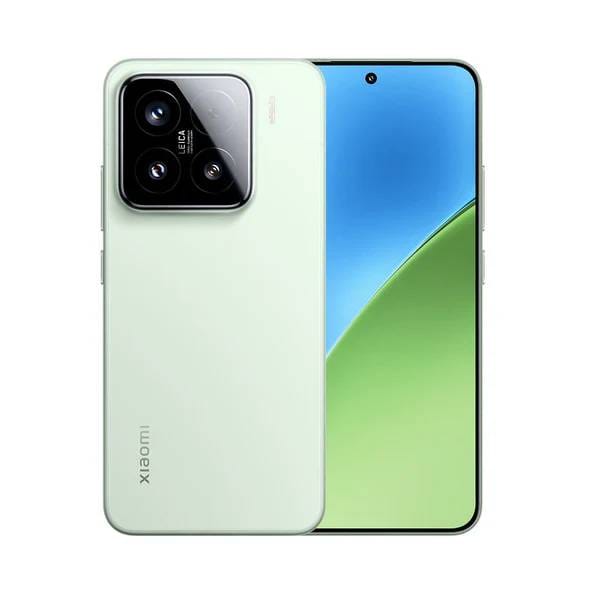
If you want a phone that feels premium and compact but still gives you big-spec satisfaction, the Xiaomi 15 is the value-focused pick in this trio. It’s not the lightest at 191g, and it’s thicker than the other two at 8.08mm, but the shape and dimensions are tuned for comfort: the width sits at 71.2mm, and Xiaomi leans into a micro-curved aluminium frame designed specifically to improve hand feel.
Where the Xiaomi 15 really wins for everyday usability is that it packs a top-tier experience into a body that stays pocketable. The display is a 6.36-inch AMOLED panel with very high peak brightness (3200 nits claimed), and reviewers consistently describe it as comfortable and easy to handle one-handed—exactly what you want from a “slim design” buyer’s choice.
Build and durability are also stronger than the “value pick” label might suggest. Xiaomi uses Xiaomi Shield Glass and a high-strength aluminium frame approach, plus IP68 water/dust resistance—so this isn’t a fragile compact flagship that needs to live in fear of daily bumps.
Performance and battery are the big practical highlights. The Xiaomi 15 runs the Snapdragon 8 Elite platform, and its battery spec is genuinely impressive for a compact phone: 5,240mAh with 90W wired charging and 50W wireless charging support. This is exactly the kind of 2025 battery-and-charging leap that helps slimmer, smaller phones avoid the “tiny phone = tiny battery” trap.
The main compromise is software “busy-ness” compared with cleaner Android approaches—but if your priority is hardware value (screen, charging, battery, flagship chipset) in a compact frame, the Xiaomi 15 stacks up extremely well.
✅ Why this pick
Pros:
- Compact flagship body that remains pocketable and comfortable one-handed (6.36", 71.2mm width).
- Big “real-life value” hardware: Snapdragon 8 Elite + a 5,240mAh battery in a compact phone.
- Premium durability: Xiaomi Shield Glass + aluminium frame upgrades + IP68.
Cons: The software experience can feel busy; some buyers may prefer a simpler interface.
Main standout feature: Compact phone, big battery and charging—5,240mAh with very fast wired (90W) and fast wireless (50W) charging, without turning the phone into a pocket-filler.
Who it’s best for: UK buyers who want a premium-feeling compact flagship but care most about getting strong “spec value” (battery, charging, display) in a phone that’s still easy to hold and carry.
Amazon UK Check: 👉 Check price on Amazon UK – The Xiaomi 15 typically starts at £899 (256GB) and around £999 for the higher storage tier, which is not “cheap,” but is priced for flagship hardware in a smaller body.
Comparison Table: Best Lightweight & Slim Phones (UK 2026)
| FEATURE | MOTOROLA EDGE 70 | SAMSUNG GALAXY S26 | XIAOMI 15 |
|---|---|---|---|
| Thickness | ~5.9mm | 7.2mm | 8.08mm |
| Weight | 159g | 167g | 191g |
| Display size | 6.7-inch P-OLED | 6.3-inch Dynamic AMOLED | 6.36-inch AMOLED |
| Build materials | Aircraft-grade aluminium + Gorilla Glass; IP68/IP69 | Armor Aluminum + Gorilla Glass Victus 2; IP68 | Micro-curved aluminium frame + Xiaomi Shield Glass; IP68 |
| Battery | 4,800mAh (silicon-carbon) | 4,300mAh | 5,240mAh (typ) |
| Processor | Snapdragon 7 Gen 4 | Exynos 2600 (UK positioning) | Snapdragon 8 Elite |
| Typical UK price | ~£699.98 at launch | ~£879 (SIM-free 256GB) | From ~£899 (256GB) |
| Best for | Maximum “thin + light” comfort | Premium compact flagship feel | Value-minded flagship specs in a compact body |
Motorola Edge 70 → Check Price on Amazon UK
Samsung Galaxy S26 → Check Price on Amazon UK
Xiaomi 15 → Check Price on Amazon UK
What to Consider Before Buying
Even if you’re specifically shopping for “slim and lightweight,” it pays to think through a few practical trade-offs first:
- Thinness vs battery size: Ultra-thin phones can still deliver solid battery, but you’re relying on smarter battery tech and tighter engineering rather than sheer physical volume. If you hate charging anxiety, prioritise the phones that pair slim design with strong capacity and fast charging.
- Lightweight comfort vs flagship features: The lightest phone often achieves that feel by focusing on core usability rather than the most extreme flagship hardware. Decide whether daily comfort matters more to you than absolute top-tier “everything.”
- Screen size vs one-hand use: A “compact” screen isn’t just about inches—it’s also about width, edge shape, and balance. If you want effortless one-handed reach, pay attention to the more compact 6.3–6.36-inch class devices and how they’re shaped.
- Premium materials vs durability: Slim phones should still be life-proof. Strong frames and tougher glass matter more when a phone is thin, because flex and drops are less forgiving.
- Value vs flagship pricing: “Slim and premium” can push pricing up. If you’re spending flagship money, make sure you’re paying for the parts you’ll actually feel every day—comfort, screen quality, battery life and build—not specs you’ll rarely use.
Frequently Asked Questions
Q1: Which phone is best if I want something slim but premium?
The Samsung Galaxy S26 is the most “classic premium” option: slim (7.2mm), light (167g), and built with reinforced materials.
Q2: Do slim phones have worse battery life?
Not automatically. The Edge 70 and Xiaomi 15 pair slim designs with sizeable batteries, and reviewers report full-day (or better) use depending on habits.
Q3: Are lightweight phones less durable?
They can be, but these picks focus on protection: strong frames, tougher glass, and at least IP68-class resistance are common here.
Q4: Which slim phone offers the best value in the UK?
The Xiaomi 15 is the strongest “hardware value” option in a compact body—flagship chipset, big battery, and very fast charging for its price tier.
Final Verdict
In 2026, the “best” slim and lightweight phone depends on what you value most day-to-day:
- Motorola Edge 70 is the best overall pick for maximum thinness and carry comfort, while still keeping practical battery and charging → Check price on Amazon UK.
- Samsung Galaxy S26 is the best premium flagship for a slim design, with a compact feel and reinforced build quality → Check price on Amazon UK.
- Xiaomi 15 is the best value choice if you want a compact premium phone with flagship performance, strong battery tech, and fast charging → Check price on Amazon UK.
We update our comparisons regularly to keep everything accurate, up to date, and UK-focused.