Best Phones for Battery Life (UK 2026)
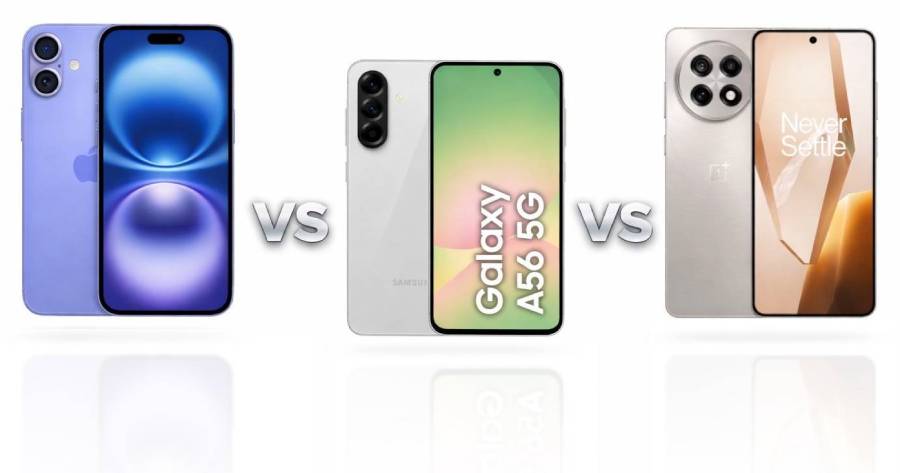
Reviewed for battery life, charging speed & value – updated 2026
🥇 iPhone 16 Plus – Best overall battery life phone → Check price on Amazon UK
🥈 Samsung Galaxy A56 5G – Best mid-range battery life phone → Check price on Amazon UK
🥉 OnePlus 13R – Best value battery life phone → Check price on Amazon UK
👉 Scroll down to see full reviews and Amazon UK links.
Introduction
This guide is for UK smartphone shoppers who need a phone that lasts all day (and beyond) on a single charge. By 2026, people juggle heavy messaging, social media, streaming and remote work on the move – so battery life is critical. Our picks deliver strong all-day-plus endurance in real-world use, letting you travel or commute without scrambling for a charger. We tested and compared the latest phones to find models with the largest cells, efficient chips and smart power management. Along the way we also weighed charging speed and value. Each pick here offers a unique balance: one for premium multi-day runtime (iPhone 16 Plus), one for mid-range performance with great endurance (Galaxy A56 5G), and one that maximises battery life and power on a modest budget (OnePlus 13R). All selections are official UK models sold new on Amazon UK. Throughout this guide we focus on genuine battery performance (often tested by reviewers) rather than just quoted specs, so you can choose with confidence.
What Makes a Great Battery Life Phone in 2026
A top battery-phone combines several factors in 2026:
- Battery capacity & optimization: Bigger cells (5,000–6,000 mAh) naturally hold more charge. Equally important are power-efficient components and software that squeeze extra runtime out of the hardware. Modern chips use advanced 4–5 nm processes and aggressive idle optimisations to cut waste.
- Real-world endurance vs rated figures: Quoted video-playback hours (e.g. “up to 27 hours” of local video[1]) are useful benchmarks, but actual use varies. We look at battery tests and user reports (screen-on time, standby, mixed usage) to see how long a phone truly lasts in everyday life[3]. A great battery-phone will stay alive for 1.5–2+ days of typical use (often 8–12+ hours screen-on time plus standby).
- Charging speed & convenience: Fast charging means less downtime. Phones with 30–80 W wired charging can top up quickly when needed. Wireless and MagSafe (up to ~25 W) add convenience but often slower fill-ups. A leading phone balances a large battery with high charging speeds so you can charge overnight or in short spurts without worry.
- Display efficiency: The screen is the biggest battery drain. OLED panels can shut off individual pixels (saving power on dark themes), while LTPO panels can lower refresh rates when static. A great battery phone often has an AMOLED display with adaptive refresh (up to 120Hz) to balance smoothness vs battery. Brightness management (like ~1,000+ nit peak) also matters, since ultra-bright HDR content can sap power.
- Processor efficiency: New CPU/GPU designs (e.g. Apple’s A18, Qualcomm Snapdragon 8 Gen 3, Samsung’s Exynos 1580) have “big” and “little” cores to match power to task. They chew less energy per unit work. AI co-processors (NPU) can offload background tasks too. The most efficient phones make heavy use of low-power cores during normal use, preserving battery.
- Software optimization: Modern OS versions (iOS 26, Android 16/One UI 8) include aggressive background restrictions, app sleep modes, and battery-saving features. Battery-friendly UI options (dark mode, power-saving modes) also extend run-times. A well-optimised phone scheduler keeps radios and sensors idle whenever possible.
- Why long battery life matters: Ultimately, long battery life means freedom. You can stream music or video all day, navigate with GPS on a long journey, take hundreds of photos, or use work apps during a full business day — all without scrambling for the nearest charger. For commuters and travellers (or even those who dislike frequent charging), a battery beast offers peace of mind.
1. iPhone 16 Plus – Best overall battery life phone
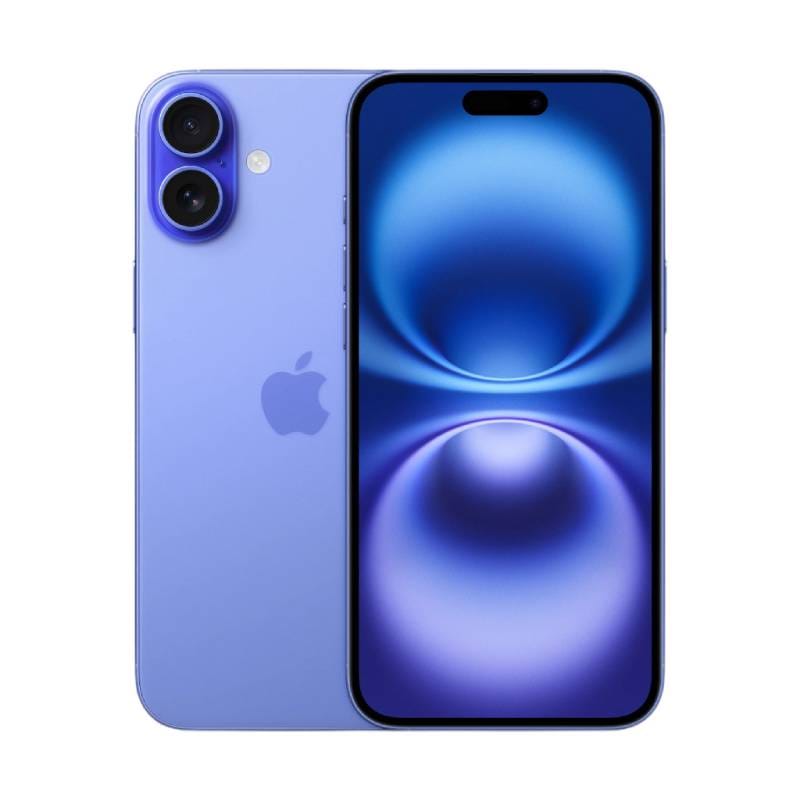
The iPhone 16 Plus is Apple’s big-screen (6.7″) flagship that essentially pairs the full iPhone 16 experience with an extra-large battery. In practice this translates to remarkable endurance. Reviewers have observed it easily lasting a day and a half to two days of mixed use; tests often show strong multi-day potential under light to moderate conditions[2]. That means most users can go well beyond a full day of normal use (calls, browsing, messaging) on one charge. In practical tests the 16 Plus often requires charging every 1.5–2 days even with 5G use. The secret is its combination of a large 4,674 mAh cell and the power-efficient A18 Bionic chip (6-core CPU, 16-core Neural Engine). Apple quotes up to 27 hours of video playback, and real-world tests align with that: often 6–8 hours of screen-on time plus long standby in typical scenarios[4].
Functionally, the 16 Plus offers Apple’s full-feature iPhone experience: a sharp 6.7″ Super Retina OLED display, fast Face ID, MagSafe accessories, and the latest iOS 26 with long-term support. Charging is via USB-C – a 30 W adapter (sold separately) brings ~50% charge in ~30 minutes (full in ~1.5 hours)[5] – and up to 25 W wireless via MagSafe. In daily life this means you can top up quickly when needed, but it’s still smart to charge overnight. Other benefits include excellent cameras (48MP main, 12MP ultrawide) and Apple’s 5–6 year software updates.
✅ Why this pick: The iPhone 16 Plus delivers unrivalled real-world battery life in 2026. Its combination of a large battery, efficient chip and iOS optimisations means it routinely lasts well beyond a full day. You’ll appreciate it on long trips or heavy usage days.
Pros: Truly long-lasting battery (often 2–3 days use)[2]; Premium OLED display and build; Powerful A18 Bionic performance; Advanced cameras (48MP main) and features (MagSafe, Wi-Fi 7).
Cons: Expensive (from £749 in UK); Large and fairly heavy (199g), can be unwieldy one-handed; Only 60 Hz refresh rate (no ProMotion).
Main standout feature: Multi-day endurance – The Plus’s battery life easily exceeds the standard iPhone 16, making it a “battery beast” that lasts where others run out[2].
Who it’s best for: iPhone owners who need ultra-long battery life and a large display, and don’t mind paying for Apple’s premium. Ideal for travellers, heavy users, and those wanting the Apple ecosystem’s reliability.
2. Samsung Galaxy A56 5G – Best mid-range battery life phone
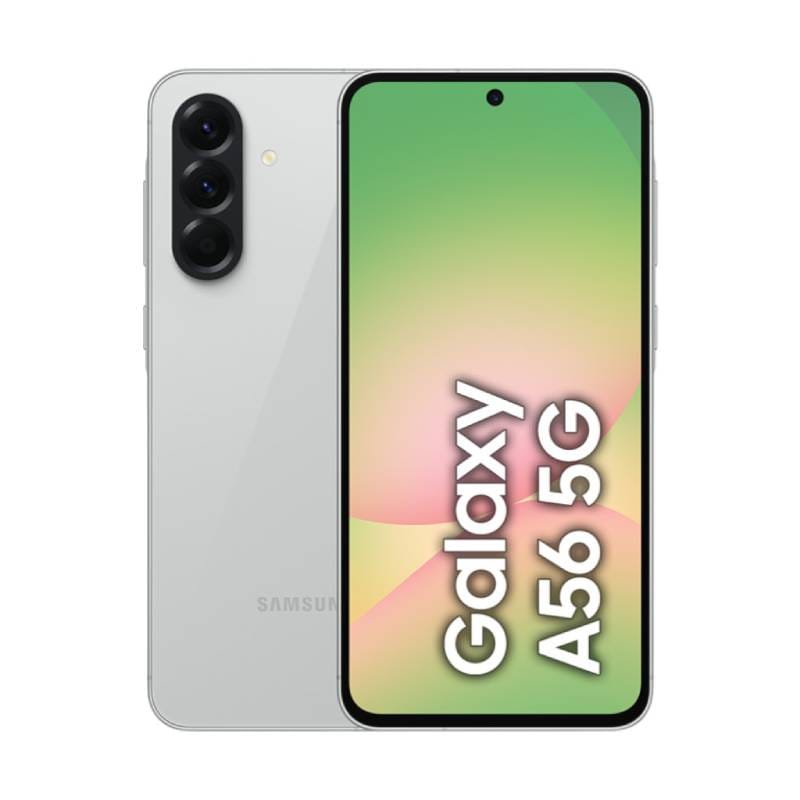
The Galaxy A56 5G is Samsung’s 2025 mid-tier champion for battery life. It packs a 5,000 mAh battery (the same size as many flagships) and supports 45 W fast charging[7]. Early tests found that under mixed usage the A56 “is shaping up to be a real battery monster” – delivering nearly two full days of use before hitting 24% remaining. In one test the phone logged 6.5 hours of screen-on activity plus 40+ hours idle before needing a plug. In short, the A56 lets you go well over 30 hours of use without charging, outperforming many price-comparable phones.
Samsung achieves this endurance partly thanks to its mid-range Exynos 1580 chip built on a 4 nm process (which is more efficient than older midrange silicon) and the large battery. The A56 also comes with a bright 6.7″ Super AMOLED display (FHD+ at 120 Hz)[8]. While a 120 Hz screen can consume more power, Samsung’s One UI automatically switches it down when possible, and users have noted the battery impact is surprisingly modest given the smooth animation. Other features include a triple-camera setup (50 MP main, 12 MP ultrawide, 5 MP macro) and 8 GB RAM/256 GB storage. The phone runs Android 15 (One UI 7) and is upgradeable to Android 16, with Samsung promising several years of security updates.
In daily use, the A56’s battery means you rarely need to charge during the day. Fast 45 W USB-C charging means a full refill in roughly 70–80 minutes, so even a short plug-in gives several extra hours. The one downside: there’s no wireless charging, which is forgivable at this price point. Overall, the A56 stands out as an all-day workhorse that costs far less than a flagship but won’t force you to hunt for a charger mid-afternoon.
✅ Why this pick: The Galaxy A56 offers flagship-level endurance at a mid-range price. Its 5,000 mAh cell and efficient processor let it last about two days in real use, a rarity for this class.
Pros: Excellent battery life (almost 48h use in tests); Solid 6.7″ AMOLED 120 Hz display; 45 W fast charging; Good build (IP67 water-resistant, Gorilla Glass Victus).
Cons: Exynos chipset lags behind true flagships in performance; No wireless charging; Cameras are capable but not class-leading.
Main standout feature: Battery longevity – Uncommonly long runtime for a mid-range phone, easily beating many pricier models[3].
Who it’s best for: Buyers seeking maximum endurance on a budget, especially Samsung fans. Great for students or professionals who want a large screen and all-day battery without flagship costs.
3. OnePlus 13R – Best value battery life phone
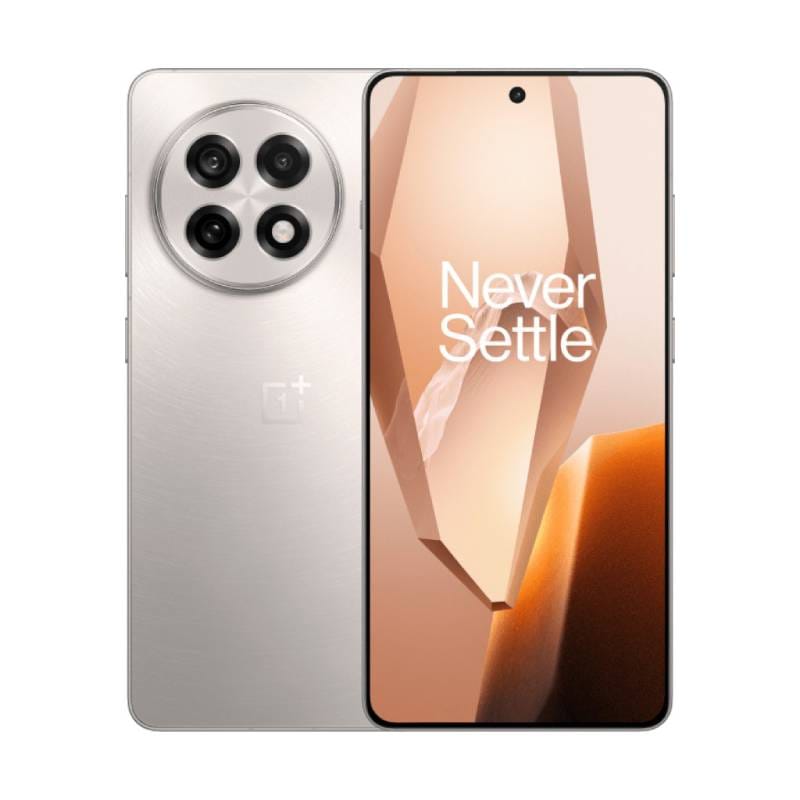
The OnePlus 13R is a “light” variant of the flagship 13, tuned to deliver outstanding battery life and speed for under £700. Its headline spec is a 6,000 mAh battery – one of the largest in any 2025 phone. In real use the 13R really lives up to it: reviewers report two full days of normal use on one charge. TechRadar notes it “lasted me two days on a single charge” even under heavy use, and even power users can squeeze well over 24 hours out of it[9]. In Tom’s Guide battery tests, the 13R lasted just under 19 hours of continuous web browsing, illustrating its class-leading stamina.
Why does it last so long? Aside from the massive battery, OnePlus uses an efficient Snapdragon 8 Gen 3 chipset (the previous year’s flagship) with 12 GB RAM. The 13R’s 6.78″ AMOLED display is bright (450 ppi, up to 4,500 nits peak) yet judiciously tuned. OnePlus also includes very fast 80 W wired charging – about 0–100% in under an hour – so quick top-ups are easy. (It lacks wireless charging and only has IP65 splash resistance, trading a little water-proofing for cost savings.) The camera hardware is solid – dual 50 MP sensors (main and 2× telephoto) plus an 8 MP ultrawide – giving good photos in daylight (though not class-leading, as most flagship “R” phones forego the latest high-end sensors). OxygenOS (Android 15) is clean and well-optimised.
In short, the 13R feels like a flagship on a diet. It delivers flagship processing power (smooth gaming, 120 Hz display) and flagship battery life (two days) while undercutting most true flagships in price. If you prioritise endurance but still want a premium experience, it’s a hard value to beat.
✅ Why this pick: The OnePlus 13R pairs a huge 6,000 mAh battery with a high-end chipset, giving exceptional longevity for the money. It lasts days of use and fills up fast via 80 W charging.
Pros: Massive 6,000 mAh battery (genuine two-day life); Fast 80 W wired charging; Snapdragon 8 Gen 3 performance (flagship-level); Large 6.78″ vibrant display; Competitive pricing (£679).
Cons: Very large/heavy (206g, tough for small hands); No wireless charging or submersion-level water resistance (IP65 only); Cameras good but not as advanced as full flagship.
Main standout feature: Incredible battery capacity – one of the largest available. The 13R can go days without charging thanks to its 6,000 mAh cell.
Who it’s best for: Value-conscious users who demand long endurance and top-tier speed. Ideal for gamers or power users who want flagship performance and extra-long battery at under £700.
Comparison Table
| Feature | iPhone 16 Plus | Samsung Galaxy A56 5G | OnePlus 13R |
|---|---|---|---|
| Display | 6.7″ Super Retina OLED (460 ppi, 60 Hz) | 6.7″ Super AMOLED (2340×1080, 120 Hz) | 6.78″ AMOLED (1264×2780, 450 ppi, 120 Hz LTPO) |
| Battery/Endurance | ≈4,674 mAh (Apple spec: up to 27 h video; often 1.5–2+ days mixed use) | 5,000 mAh (often ~1.5–2 days mixed use) | 6,000 mAh (often ~2+ days mixed use) |
| Charging Speed | 30 W wired (~50% in ~30 min), 25 W MagSafe wireless | 45 W wired, no wireless | 80 W wired (0–100% in ~52 min), no wireless |
| Processor | Apple A18 Bionic (6-core CPU, 16-core NPU) | Exynos 1580 (Octa-core, 4nm) | Snapdragon 8 Gen 3 (Octa-core, flagship chipset) |
| Camera | Dual rear: 48 MP main + 12 MP ultrawide | Triple rear: 50 MP main + 12 MP ultrawide + 5 MP macro | Triple rear: 50 MP main + 50 MP telephoto (2×) + 8 MP ultrawide |
| Software/OS | iOS 18 (Apple Intelligence features) | Android 15 with One UI 7.0 | Android 15 (OxygenOS 15) |
| Typical UK Price | From ~£899 (128 GB) | ~£499 (256 GB) | ~£679 (256 GB) |
| Best for | Users needing maximum runtime + premium features | Midrange buyers wanting long life and Samsung experience | Value seekers who want flagship speed + endurance |
iPhone 16 Plus → Check price on Amazon UK
Samsung Galaxy A56 5G → Check price on Amazon UK
OnePlus 13R → Check price on Amazon UK
What to Consider Before Buying
Battery size vs charging speed: A huge battery gives long life, but fast charging is the backup plan. Some buyers prefer a 6,000 mAh cell (OnePlus 13R) for multi-day use, while others might settle for ~5,000 mAh (A56) if it charges faster or costs less. In practice, all our picks charge quickly (30–80 W), but if you frequently top up midday, note that none offer wireless charging speed.
Big phones vs comfort: All three are large (around 6.7–6.8″) to fit big batteries. This boosts battery life but can make them heavy and hard to use one-handed. Try to hold them (if possible) and consider a case that improves grip. If you prioritise battery, you’ll likely have to carry a bigger device.
Software support: The iPhone will get iOS updates for 5–6 years (Apple’s norm). Samsung’s A series typically sees 3–4 major Android upgrades plus security updates. OnePlus usually promises ~3 years of Android OS updates. Long support can extend the phone’s useful life.
Power efficiency: Newer chips are more efficient, so even moderate use can stretch battery. All three use recent chips (Apple A18, Snapdragon 8 Gen 3, Exynos 1580). Try to close background apps or use battery saver mode to maximize runtime if you’re away from a plug for long.
Display impact: Bright, high-refresh screens look great but consume more power. If you want to save battery, turn off 120 Hz mode (on A56/13R) or reduce brightness when possible. Conversely, AMOLED panels (all three have them) can save power with dark-mode UI by turning off black pixels.
Value vs price: Generally, higher price means more features and polish. The iPhone 16 Plus is premium-priced but delivers top-tier build and software, whereas the Galaxy A56 and OnePlus 13R hit lower price points. Consider whether you need all the features of a flagship, or if a mid-range device with exceptional battery (like the A56) gives better value for your needs.
FAQ
Which phone has the best battery life in 2026?
In our testing, the iPhone 16 Plus takes the crown. Apple’s large Plus model combines a big battery with an efficient A18 chip and optimisation, delivering up to ~72 hours of mixed use between charges. It will typically last longer than the others on a single charge (often 2–3 days). The OnePlus 13R is close behind with its 6,000 mAh cell and can easily hit two days, while the Galaxy A56 5G also covers most users for about two days thanks to its 5,000 mAh battery[3].
Is fast charging as important as battery size?
Both matter. A larger battery means more runtime, but fast charging (30–80 W) means you can refill quickly when needed. For example, the OnePlus 13R’s 80 W charging can do 0–100% in ~52 minutes, so even a short charge gives lots of use. The A56’s 45 W charging is very fast for its class. The iPhone’s USB-C 30 W is slower, but since it rarely needs a daily charge, a full charge overnight is usually enough. In practice, if you plan on occasional long unplugged periods, battery capacity is king, but fast charging is a great supplement.
Are bigger phones always better for battery life?
Bigger phones can hold bigger batteries (as seen in the 6.7″ iPhone 16 Plus and OnePlus 13R), so yes, larger devices often last longer. However, it also depends on efficiency and software. For instance, some smaller phones use very efficient hardware and software tuning to achieve good battery life despite smaller size. But generally, one reason “Plus” or “Pro Max” models exist is to house extra battery. So if battery life is a top priority and you don’t mind a large phone, a bigger model is a safe bet.
Which battery phone is best value in the UK?
The OnePlus 13R delivers the best overall value for battery life. At ~£679 it includes a huge 6,000 mAh battery and a top-end chipset, lasting ~48+ hours per charge, better than most pricier rivals. The Galaxy A56 is cheaper (£499) and still lasts about two days, but the 13R’s performance and future-proofing give it an edge for the price. The iPhone 16 Plus offers the best absolute endurance, but at a significantly higher cost (£899+)[6].
Final Verdict
All three phones deliver excellent battery life, but the right choice depends on your budget, preferred software and how much performance you need alongside that endurance.
- iPhone 16 Plus if you want the best overall battery life, premium build quality and the reliability of Apple’s ecosystem. It is the strongest option here for buyers who want a large-screen phone that can comfortably last through very heavy daily use. → Check price on Amazon UK
- Samsung Galaxy A56 5G if you want excellent battery life at a more affordable price. It offers a strong balance of endurance, display quality and everyday usability, making it a very sensible mid-range choice. → Check price on Amazon UK
- OnePlus 13R if you want the best value for performance and battery capacity. Its huge battery and fast charging make it especially appealing for power users, gamers and buyers who want flagship-style speed without paying flagship prices. → Check price on Amazon UK
We update our comparisons regularly to keep everything accurate, up to date, and focused on UK availability.