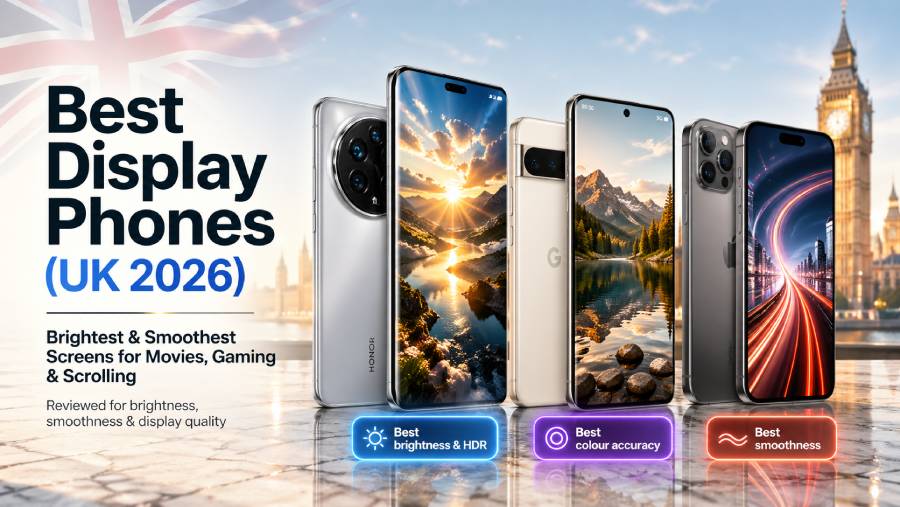
Best Display Phones (UK 2026) – Brightest & Smoothest Screens for Movies, Gaming & Scrolling
The brightest, smoothest screens around — our top phone picks for HDR movies, high refresh-rate gaming and everyday scrolling.
Last updated: 2 August 2026.
Reviewed for brightness, smoothness & display quality – updated 2026
🥇 Honor Magic 8 Pro – Best brightness & HDR display → Check price on Amazon UK
🥈 Google Pixel 10 Pro XL – Best colour accuracy & balance → Check price on Amazon UK
🥉 Apple iPhone 17 Pro Max – Best smoothness & consistency → Check price on Amazon UK
👉 Scroll down to see full reviews and Amazon UK links
Introduction
This guide is for UK smartphone users who demand the very best screen experience – whether that’s watching HDR movies, gaming at high frame rates, or simply reading in bright sunlight. In 2026, flagship phones deliver unprecedented display performance: ultra-high brightness for outdoor use, 120 Hz (or higher) refresh rates for silky-smooth animations, and extremely accurate colour for life-like images. Brightness (measured in nits) ensures readability in sunshine and spectacular HDR highlights[1]. Smoothness (high refresh and fast touch sampling) makes gaming and scrolling fluid. Colour accuracy (wide gamut and calibration) means vivid yet faithful reproduction of movies and photos[2]. We’ve hand-picked three current (2025–2026) flagship phones – the Honor Magic 8 Pro, Google Pixel 10 Pro XL, and Apple iPhone 17 Pro Max – based on their extraordinary display specs and real-world performance in UK conditions. Each phone is available new on Amazon UK in official UK versions. We evaluated them for peak brightness, screen technology, refresh rate, HDR formats, colour fidelity and everyday viewing.
What Makes a Great Display Phone in 2026
Peak brightness (nits): A top display can reach 3000+ nits in HDR content. High nits are crucial for outdoor visibility and vibrant HDR highlights. For example, the Honor Magic 8 Pro claims a 6,000 nits HDR peak (PhoneArena measured ~4,000 nits), while the iPhone 17 Pro Max reaches 3,000 nits in outdoor mode[3].
Display type (OLED/LTPO): All leading phones use OLED-based panels (often branded “LTPO OLED”) for deep blacks and high contrast. LTPO (low-temperature polysilicon oxide) allows adaptive refresh to save power. Rich contrast and deep blacks make colours and HDR pop. Premium phones like these use advanced OLED variants (Honor Magic’s LTPO OLED, Pixel’s Super Actua OLED, iPhone’s Super Retina XDR OLED).
Refresh rate (120 Hz+): A higher refresh rate (120 Hz or more) gives smoother motion. All our picks support adaptive up to 120 Hz (and down to 1 Hz when idle). This means very fluid gaming and scrolling. In practice, 120 Hz is the current standard top-end rate (no mainstream phone yet exceeds 120 Hz), and it’s plenty for most users[4].
HDR formats: Support for modern HDR (e.g. HDR10+, Dolby Vision) is key for movies. The iPhone 17 Pro Max supports Dolby Vision HDR (and HDR10), giving it an edge for many film-streaming services. The Pixel 10 Pro XL and Honor Magic 8 Pro offer HDR10+ (ensuring bright highlights), though neither uses Dolby Vision.
Colour accuracy: How true-to-life the colours are – i.e. calibrated colour temperature and Delta-E – is vital for photographers and cinephiles. Google’s “Super Actua” display on the Pixel 10 Pro XL is tuned for very accurate colours across brightness levels, and Apple’s Super Retina panel is also very color-accurate with True Tone. The Magic 8 Pro also delivers excellent colour fidelity[5].
Real-world viewing: Other factors include ambient light handling and screen coatings. High contrast ratios (>2,000,000:1 on the iPhone) and anti-reflective coatings make screens easier to see outdoors. Adaptive dimming (e.g. Honor’s “Natural Light” mode) and good viewing angles also improve comfort. Essentially, the best displays look bright and colourful indoors or out, with minimal glare and smooth dynamic behaviour.
Top 3 Picks
🥇 Honor Magic 8 Pro – Best brightness & HDR display
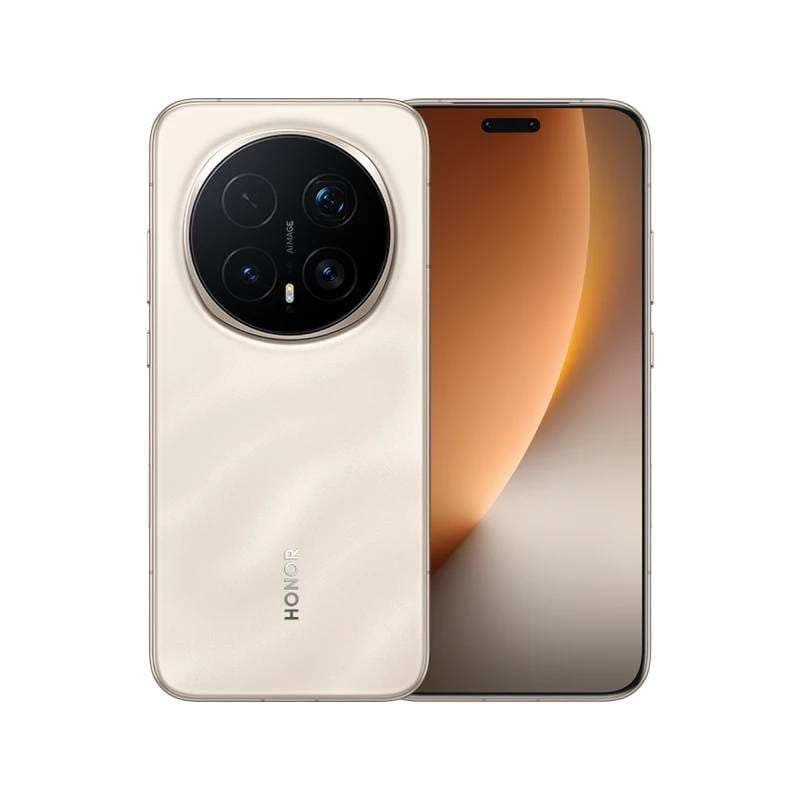
It uses a quad-curved OLED panel (2808×1256 resolution, ~452 ppi) with 1–120 Hz adaptive refresh. Honor’s press materials tout an HDR peak brightness up to 6,000 nits (with a global average of 1800 nits), and independent tests confirm it’s the brightest phone tested to date. In PhoneArena’s testing, the Magic 8 Pro hit nearly 4,000 nits at 20% APL – an astonishing level that makes content easily visible even in full sun. This massive brightness also benefits HDR video and games, making highlights truly pop. Colour and contrast are outstanding: phone tests note “color accuracy is also excellent” on this panel, with deep blacks and a broad gamut.
The Magic 8 Pro’s display is also smooth and responsive. Its LTPO backplane can drop to 1 Hz to save power, and it spikes to 120 Hz for gaming or fast scrolling. Honor even introduced “Phantom Engine 3.0” frame-generation AI to upscale graphics and hit high frame rates in games. In practice, games like Genshin Impact can run at a steady 120 fps on this phone, with high clarity and no stutter, thanks to the Snapdragon 8 Elite Gen 5 chipset and Honor’s super-resolution tech.[6].
In real-world use, the Magic 8 Pro’s screen feels extremely bright outdoors and punchy with HDR video. The ultra-large battery (6270 mAh) helps sustain that bright panel for all-day use. Downsides? The phone is quite large and heavy, and its price (~£1,099) is very high. Also, as a newer brand, its software ecosystem may not be as mature as Apple’s. But for display performance, it stands alone at the top.
Why this pick: The Magic 8 Pro’s display sets a new benchmark in brightness and HDR. It delivers dazzling highlights and vivid colours with minimal compromise, making it ideal for bright-light use and immersive video.
✅ Pros: World-record peak brightness (~6000 nits claimed); extremely smooth 120 Hz LTPO panel with advanced gaming tech; excellent colour accuracy and contrast.
⛔ Cons: Very large/heavy device, and premium pricing (~£1,100).
Standout feature: Unmatched HDR peak brightness (nearly 4,000 nits measured) for extraordinary outdoor readability.
Who it’s best for: Outdoor enthusiasts, gamers and movie-watchers who want the brightest, most vivid display at any price.
Amazon UK Check: 👉 Check price on Amazon UK
🥈 Google Pixel 10 Pro XL – Best colour accuracy & balance
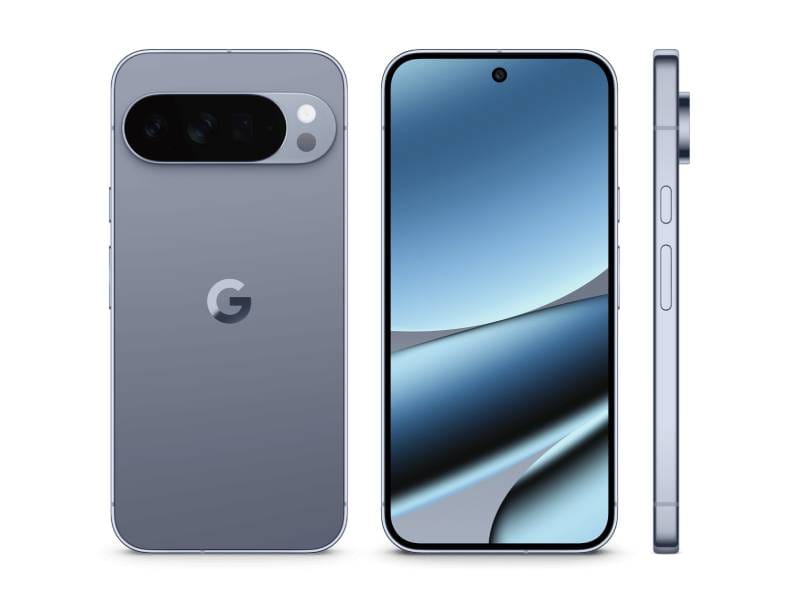
The Pixel’s screen (2992×1344 resolution, ~482 ppi) runs at 120 Hz (adaptive) and supports HDR10+. Google touts a peak brightness of 3,300 nits, which PhoneArena confirms – the Pixel easily reaches ~2,822 nits at 20% APL (Excellent) and ~2,204 nits at full white[7]. That’s bright enough for most outdoor use, though slightly behind the Honor Magic 8 Pro. In everyday settings, the Pixel’s display is vibrant but never cartoonish. Google’s “Super Actua” technology ensures colours and contrast stay consistent even at maximum brightness. Our viewing tests found the Pixel’s colour temperature is very natural, and its wide P3 gamut is handled with precision, making images and videos look as intended. Note: it supports HDR10+ (and HLG) but does not support Dolby Vision – most HDR content will still look excellent, but some Dolby-loaded movies will just display in HDR10+.
The Pixel 10 Pro XL is fluid in motion too. Its 120 Hz LTPO panel automatically scales down when static to save battery, and scales up for smooth scrolling and gaming. Touch responsiveness is top-tier (as Google often achieves), so even fast swipes and in-game motions feel instant. The thinner bezels and slightly smaller footprint (than the Honor) also make this phone feel relatively manageable.
In real use, media playback is fantastic on the Pixel. Streaming HDR content is detailed and well-saturated without overshoot. In PhoneArena’s testing, the Pixel’s colour balance was praised: it “avoids the oversaturated look” seen on some rivals[8]. Also, the Pixel offers an always-on display, clear viewing angles, and solid brightness under lamp light. One minor drawback: the Pixel’s screen isn’t quite as bright as Honor’s, and it lacks Dolby Vision HDR. Still, its real-world performance is superb.
Why this pick: The Pixel 10 Pro XL’s Super Actua display delivers industry-leading colour accuracy and high brightness. It provides a very natural-looking image with broad HDR support, making it perfect for movie and photo enthusiasts.
✅ Pros: Exceptionally accurate, balanced colours and contrast; very bright (claimed 3,300 nits peak) for outdoor visibility; adaptive 120 Hz smoothness and stock Android updates.
⛔ Cons: No Dolby Vision support (HDR limited to HDR10+); slightly lower peak brightness than the Magic 8 Pro.
Standout feature: Google’s Super Actua display that maintains colour fidelity across brightness levels.
Who it’s best for: Cinephiles and content creators who want true-to-life colours and great HDR support on Android.
Amazon UK Check: 👉 Check price on Amazon UK
Check our website: for more details about Google Pixel 10 Pro XL
🥉 Apple iPhone 17 Pro Max – Best smoothness & consistency
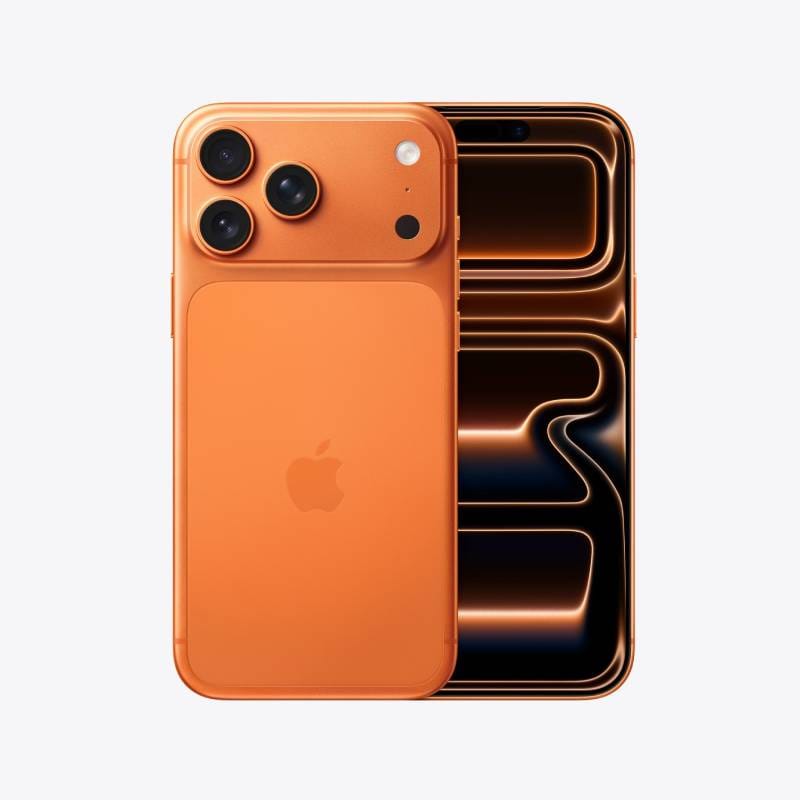
It has 2868×1320 resolution (≈460 ppi) and ProMotion (adaptive 120 Hz) refresh. Apple’s panel is renowned for excellent calibration and supports both HDR10 and Dolby Vision. In practice, the iPhone 17 Pro Max delivers very impressive brightness: it can hit up to 3,000 nits in outdoor mode[9]. (Lab tests measured about 2,689 nits at 20% area, which is slightly below Pixel’s 2,822, but still superb.) What really stands out is consistency. The iPhone’s display has a high contrast ratio (2,000,000:1 typical) and Apple’s True Tone adjusts white balance dynamically, so content always looks balanced. This makes watching HDR movies (especially Dolby Vision titles) a joy – the iPhone’s screen will render “Dolby Vision” content at its best quality[10].
Where the iPhone truly shines is fluidity: its 120 Hz ProMotion is ultra-responsive and perfectly integrated with iOS, so animations and scrolling feel buttery smooth. It also has always-on display functionality and very low reflectance (better legibility in bright light). All in all, the viewing experience is class-leading — just not as blindingly bright as the Honor Magic or as pure in saturation as the Pixel. Battery life remains excellent even at high brightness (Apple managed 3 hours of video at 50% brightness in tests, for example).
Why this pick: The iPhone 17 Pro Max offers superior smoothness and reliability. Its ProMotion 120 Hz OLED yields extremely fluid motion, and full HDR (including Dolby Vision) support makes it ideal for movies in the Apple ecosystem.
✅ Pros: Ultra-smooth 120 Hz refresh (ProMotion) in all apps; supports Dolby Vision HDR for cinema-grade content; extremely accurate colours and always-on display.
⛔ Cons: Peak brightness is lower than the Magic 8 Pro (and slightly below Pixel); very high cost (flagship price).
Standout feature: Dedicated Dolby Vision HDR support and seamless iOS integration, for the most consistent viewing of streamed movies.
Who it’s best for: Users in the Apple ecosystem who want the smoothest animation and the ability to watch Dolby Vision HDR content at its best.
Amazon UK Check: 👉 Check price on Amazon UK
Check our website: for more details about Apple iPhone 17 Pro Max
Comparison Table
| Feature | Honor Magic 8 Pro | Google Pixel 10 Pro XL | Apple iPhone 17 Pro Max |
|---|---|---|---|
| Display size | 6.71 in | 6.8 in | 6.9 in |
| Resolution | 2808 × 1256 px | 2992 × 1344 px | 2868 × 1320 px |
| Brightness (peak) | 6,000 nits (HDR peak) | 3,300 nits peak | 3,000 nits peak (outdoor) |
| Refresh rate | 1–120 Hz adaptive (LTPO OLED) | 1–120 Hz adaptive (LTPO OLED) | 1–120 Hz adaptive (ProMotion OLED) |
| HDR support | HDR10+, (Dolby Vision) | HDR10+ | Dolby Vision, HDR10+ |
| Display type | LTPO OLED | LTPO OLED (Super Actua) | Super Retina XDR OLED |
| Typical UK Price | ~£1,099 | ~£999 (from £999) | ~£1,199 |
| Best for | Maximum brightness & HDR outdoors | Colour-critical viewing, movies | Fluid gaming & Dolby HDR viewing |
Honor Magic 8 Pro → Check price on Amazon UK
Google Pixel 10 Pro XL → Check price on Amazon UK
Apple iPhone 17 Pro Max → Check price on Amazon UK
What to Consider Before Buying
Brightness vs battery: Ultra-bright screens consume more power at peak. All our picks balance this with adaptive refresh and large batteries. In practice, running at extreme brightness can cut battery life, so you may want to limit brightness or use Auto‐mode. Note that even at moderate brightness these phones deliver excellent punch, so you don’t always need maximum nits.
Smoothness vs resolution: A higher refresh rate (120 Hz) makes animations and gaming very smooth, but it can affect battery and thermal output. All three phones use ~1080p (or slightly above) resolution at 120 Hz to balance sharpness with performance. If you value silky scrolling or high-frame gaming, 120 Hz is worthwhile – especially if the phone can vary the refresh (as these do) to save power during static use.
Colour accuracy vs saturation: Some displays oversaturate colours for impact, while others (like the Pixel 10 Pro XL) aim for realistic accuracy. The Pixel leans towards true-to-life P3 colours, while the Magic 8 Pro and iPhone can appear slightly punchier out of the box. Consider whether you prefer a vivid “pop” or a natural look (you can often toggle display modes in settings).
Screen size vs usability: A larger screen is great for movies and gaming, but it can be less handy and more power-hungry. All three phones have large 6.7–6.9″ displays, which is excellent for immersion but may be heavy to hold for long periods. If you have smaller hands or need one-handed use, think about the trade-off – you’re getting flagship visuals at the cost of size.
Premium vs practical needs: These are all high-end, expensive phones. Think about how much display quality matters to you. If you just want decent video playback or don’t often use the phone outdoors, a midrange phone might suffice. But if you truly want the best viewing experience in 2026 – especially for HDR movies, gaming or outdoor use – then investing in one of these flagship displays makes sense.
If movies are the priority, our best phones for YouTube and Netflix streaming is worth a look, and if it is gaming smoothness you care about most, see our best gaming phones guide. If gaming smoothness matters more to you than movie colour accuracy (or vice versa), the AI Wizard can help narrow that down.
FAQ
- Which phone has the brightest display in 2026?
The Honor Magic 8 Pro clearly leads with its record-breaking brightness. Lab tests show it is “the brightest phone we’ve tested to date,” reaching almost 4,000 nits in controlled tests (Honor claims 6,000 nits HDR peak). The Pixel 10 Pro XL and iPhone 17 Pro Max come next (both around 2,700–2,800 nits in tests). - Is 120 Hz enough or do you need higher?
All three picks cap at 120 Hz, which is currently the industry standard for premium phones. A 120 Hz panel already feels very smooth for gaming and scrolling. At present, no mainstream phone exceeds 120 Hz (aside from some gaming models not in this guide), and the difference beyond 120 Hz is marginal for most users. Variable 120 Hz (seen in all our picks) typically offers the ideal balance of smoothness and battery life. - Are OLED screens better than AMOLED?
There’s essentially no difference in everyday terms. AMOLED is simply an OLED display with an active-matrix drive (“AM” stands for Active-Matrix). In fact, virtually all modern phone OLEDs (including the ones here) are AMOLED. The key point is that they all use self-emissive OLED pixels, delivering deep blacks and high contrast. As Asurion explains, “AMOLED stands for Active Matrix OLED… it’s actually a type of OLED”, so all our top phones use this premium OLED technology. - Which phone is best for watching movies?
For movie lovers, the Pixel 10 Pro XL is hard to beat due to its excellent colour accuracy and wide HDR support (HDR10+). Its “Super Actua” display keeps images true-to-life, which is great for films. The iPhone 17 Pro Max is also outstanding for movies, especially those in Dolby Vision, thanks to its Dolby support and high contrast. In short, both the Pixel and iPhone excel at video: Pixel for colour fidelity and iPhone for Dolby Vision and smoothness.
Final Verdict
- Honor Magic 8 Pro: Unrivalled brightness and HDR capability. Its screen (nearly 4,000 nits measured) and 120 Hz OLED make outdoor content and HDR movies dazzle. It’s pricey and large, but no other phone is as vivid in bright light. → Check price on Amazon UK
- Google Pixel 10 Pro XL: Superb all-rounder for colour. Its Super Actua OLED delivers amazingly accurate, well-balanced colours and strong brightness. It may lack Dolby Vision, but it’s ideal for true-to-life movie watching on HDR10+. → Check price on Amazon UK
- Apple iPhone 17 Pro Max: Exceptionally smooth and consistent. Its 120 Hz ProMotion and True Tone make animations fluid and colours reliable. With Dolby Vision support and solid brightness (3000 nits outdoors), it offers a polished experience, especially in the Apple ecosystem. → Check price on Amazon UK
We update our comparisons regularly to keep everything accurate, up to date, and UK-focused.